
They say about 50% of American households invest in shares.
Here in New Zealand, research last year indicated it was just under 25%.
For us, that’s a pity. Shares are literally that — shares in the most productive engine in the world: business.
Eventually, a skilled investor could earn more from their assets than their day job.
But for at least half the population, their wages will go on rent and living expenses.
They have nothing left. No stake in global business. No growth.
The broken window fallacy
Last week, a shop got broken into. Hapless thieves smashed the glass frontage, making off with little when the alarm activated.
The next morning, the glazier was there fitting a new window. A local remarked that the one positive thing was that this created work for the glass business. Probably the insurance company as well.
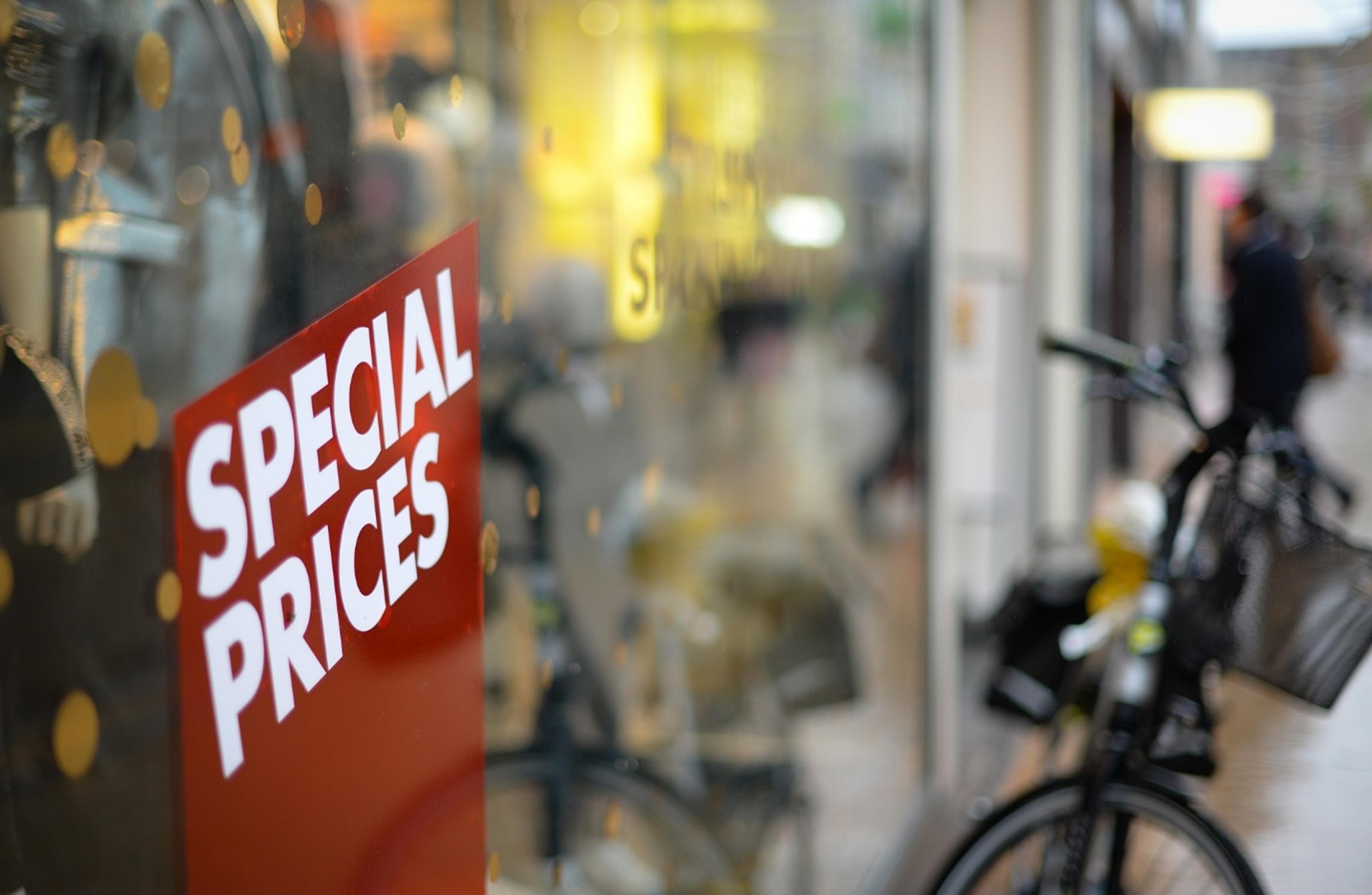
Source: Image by Rudy and Peter Skitterians from Pixabay
On the surface, this seems to present some upside. But what is often missed is opportunity cost.
The shop owner will have an insurance excess to pay, and his insurance premiums will likely go up.
He was planning to buy some Italian leather shoes from a nearby shoe boutique.
Now he can’t afford to do that because he has to fix his window.
This means the shoe shop owner loses business. The maker of the shoes in Italy sells one less pair. And so on…
Harbour Bridge quandary
A few weeks ago, I was crawling towards the mouth of the Auckland Harbour Bridge in my car. It was a windy day. Then the digital signboard above lit up.
‘The bridge is closed. Please wait in your vehicle.’
For almost an hour, thousands of people on both sides of the bridge were held up. They couldn’t conduct their business. Appointments were missed. Money was blown into the sea.
As long as I’ve been in this city, they’ve been talking about the need for another harbour crossing.
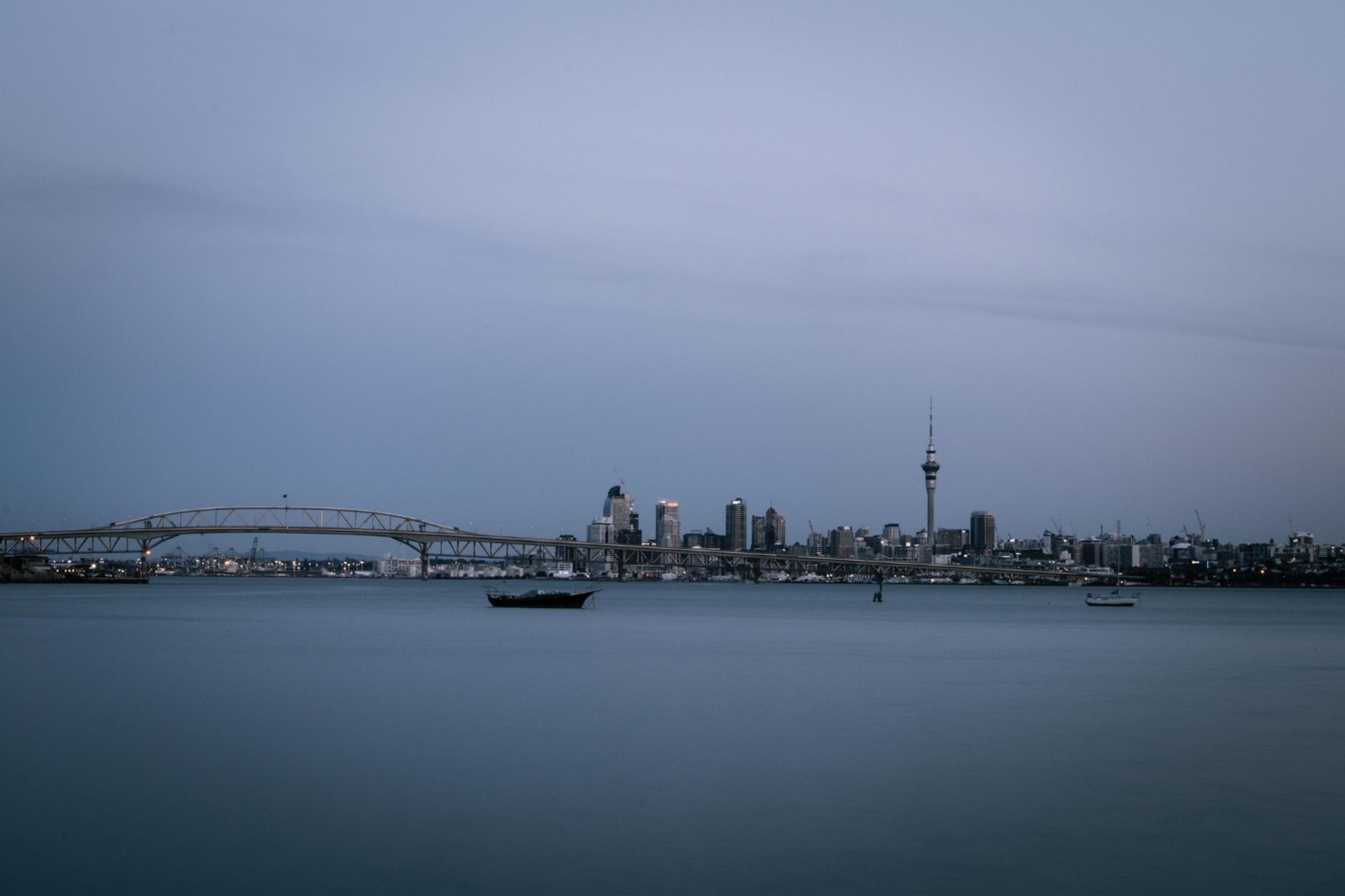
Source: Image by Squirrel_photos from Pixabay
When Covid-19 hit, Auckland was thrust into extended lockdowns for years.
Yes, in the early stages, a week or two may have been warranted to understand the virus.
But in 2021, for just one case?
In my view, the socialist government went too far. The leadership — who made the final hard decisions — imposed costs that will echo for years. But you know that.
The opportunity cost of the $19 billion wage subsidy spent to subsidise people in extended lockdowns now equates to about the cost of a second harbour crossing.
But it gets worse. Before the quantitative easing — ‘money printing’ — it would have cost much less. When the government and Reserve Bank unleashed easy cash, they also moved the goalposts. And New Zealand has become much more unaffordable.
A dentist friend tells me he sees pain (beyond the tooth) even in his fairly affluent suburb. His WINZ claims have doubled.
People have been struggling. Small businesses have been doing it tough. Yet financial markets have surged again.
Opportunity cost
This all comes back to not properly considering what is lost when you invest in something else.
- The Labour government chose to overextend on Covid. We’re now facing tolls to build a new bridge across Auckland Harbour.
- Many people don’t focus enough on the power of saving and investing. They become completely dependent on the variability of the labour market.
- Some invest in rental property. This also has the opportunity cost of not being able to invest in diversified global stock markets.
- In recent years, rental property has performed poorly compared to equity markets.
- Bitcoin and cryptocurrencies were hot assets — at least up until this year. But that was a choice to invest in tokens, not commerce itself. From the beginning of time, value has been generated from production and business, less so the means of exchange.
- Many Western countries have chosen to focus on net-zero and climate change to the detriment of energy costs and their manufacturing base. During Covid, dependencies were revealed in stark contrast. Wages have continued to stagnate.
Opportunity cost doesn’t just shape national outcomes — it shapes personal wealth trajectories too.
So the next time you face an economic decision or disaster, ask these crucial questions:
- What am I giving up to do this?
- What is being lost due to the cost of this disaster?
- Could I find investments with more upside and risk mitigation?
- Can this event be responded to in a more economic way?
It’s not what you do that counts. It’s what you miss out on to do it that can count even more.
Our Upcoming Coffee & Capital Event
Does financial freedom matter to you? Are you looking for common sense? Well, I want to extend an invitation for you to come join us at our next live event. Here’s what we’ll cover:
- Your questions.
- The long-term impact of the Iran war.
- The long-run potential of the stock market.
- What the future of our prosperity looks like.
- We look forward to engaging with you in person!

COFFEE & CAPITAL
Friday, 5 June 2026
11:00am to 12:00pm
❌ This Event Is Now Sold Out
Fields Café (Function Room)
4 Appian Way, Albany, Auckland
$37 per person / limited spaces
Includes any menu item, coffee
[ Special Member Price ]
For Managed Account clients & Quantum Wealth subscribers
❌ This Event Is Now Sold Out
$27 per person / limited spaces
Includes any menu item, coffee
Regards,
Simon Angelo
Editor, Wealth Morning
(This article is the author’s personal opinion and commentary only. It is general in nature and should not be construed as any financial or investment advice. Please contact a licensed Financial Advice Provider to discuss your personal situation. Wealth Morning offers Managed Account Services for Wholesale or Eligible investors as defined in the Financial Markets Conduct Act 2013.)
Simon is the Chief Executive Officer and Publisher at Wealth Morning. He has been investing in the markets since he was 17. He recently spent a couple of years working in the hedge-fund industry in Europe. Before this, he owned an award-winning professional-services business and online-learning company in Auckland for 20 years. He has completed the Certificate in Discretionary Investment Management from the Personal Finance Society (UK), has written a bestselling book, and manages global share portfolios.