
War, I despise
‘Cause it means destruction of innocent lives
War means tears to thousands of mother’s eyes
When their sons go off to fight
And lose their lives
I said, war, huh
What is it good for?
Absolutely nothing
—Edwin Starr, War
Duct tape. Sanitary napkins. Superglue. The wristwatch. Radar. The jet engine. The microwave oven. Satellite navigation. The internet.
These are important inventions that have reshaped the fabric of our society. Making our lives easier. We can’t help but rely on them.
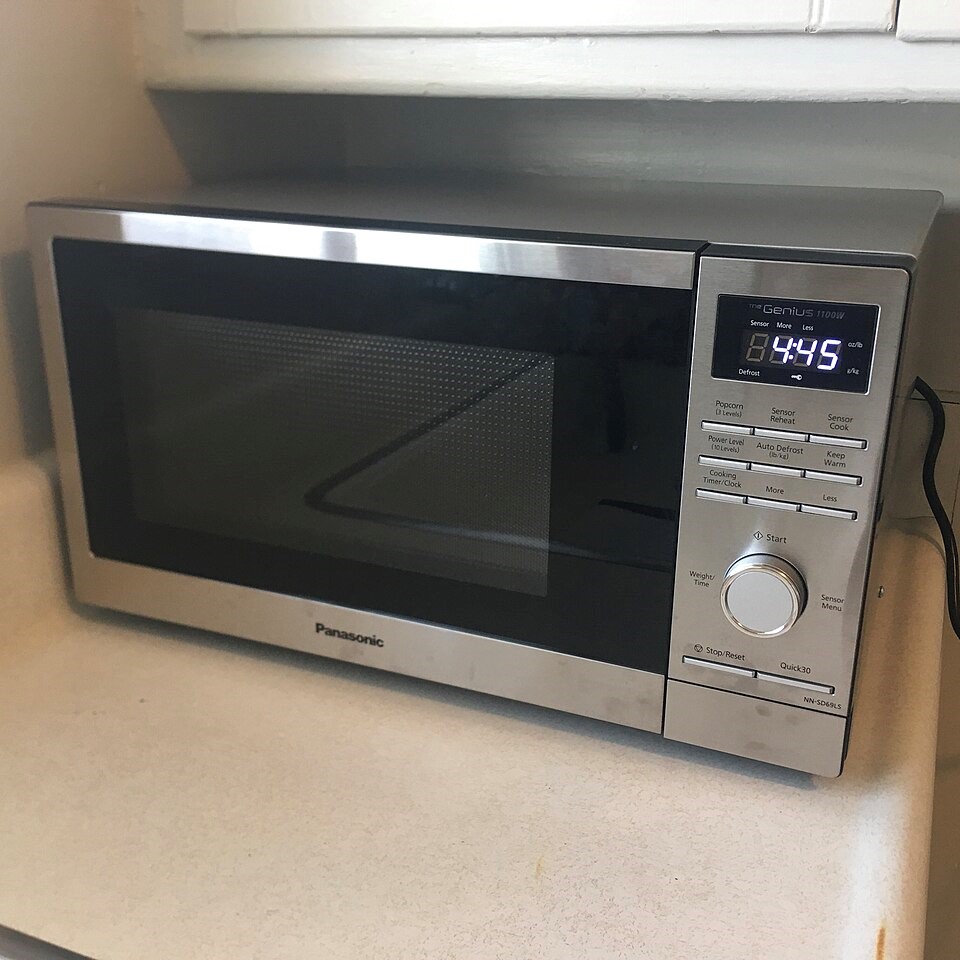
The microwave oven was developed from military radar technology.
Source: Mrbeastmodeallday / Wikimedia Commons
Lately, though, I’ve come to realise something profound. These modern conveniences that we enjoy so much? That we take for granted? Well, they only exist because of war.
- It’s an uncomfortable truth, isn’t it? Warfare causes death and suffering. But it also generates a unique creative spark. One that leads to scientific breakthroughs.
- It does this by compressing time. By creating forward momentum. By using human desperation as fuel.
I want to give you a clear example of this, which comes from Morgan Housel’s book Same as Ever:
- In 1903, the Wright Brothers made the first controlled flight of an engine-powered aircraft.
- Then, in 1969, Neil Armstrong and his fellow astronauts on Apollo 11 operated the first manned spaceflight that landed on the Moon.
- What separated these two historic events? Just 66 years.
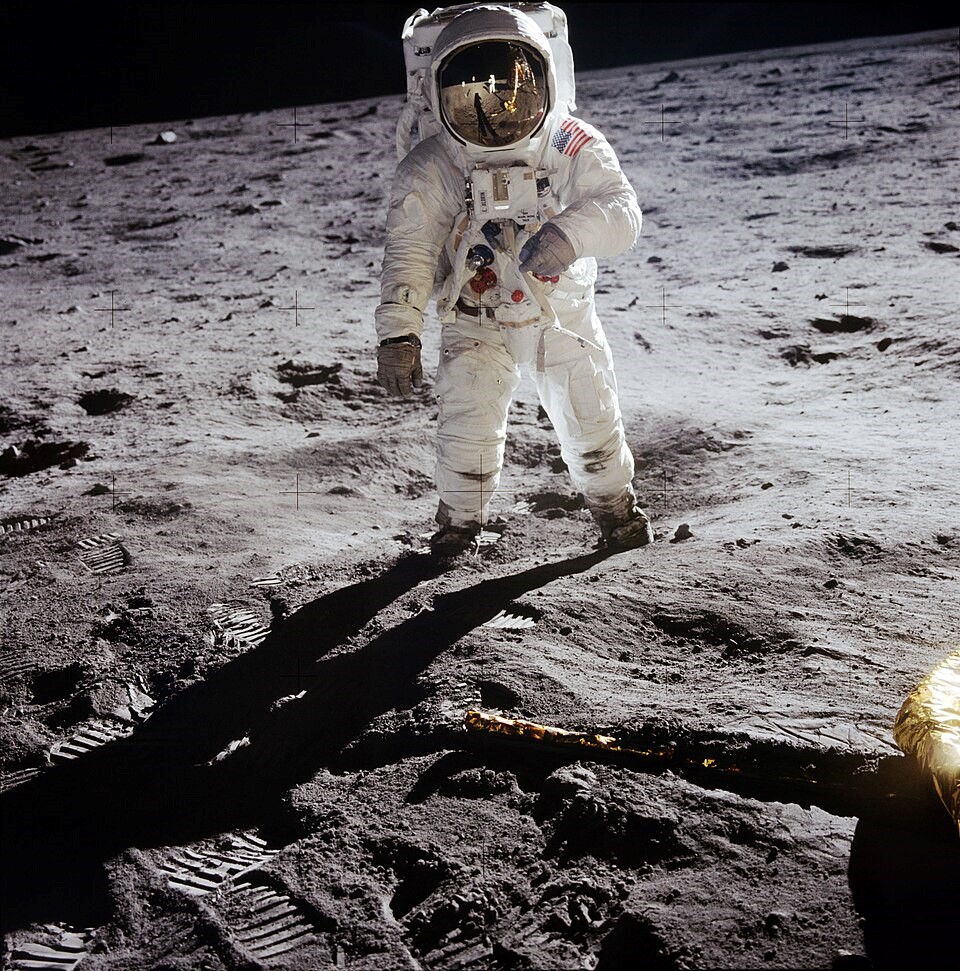
The Moon landing only happened because of military-driven urgency.
Source: Neil A. Armstrong / Wikimedia Commons
This is extraordinary. You can draw a straight line of progression from the Wright Brothers to Apollo 11.
- Such a miracle was only possible because the military was the first to see the potential in aircraft and rockets. They poured enormous sums of money into research and development. Accelerating innovation by leaps and bounds.
- Eventually, of course, it was the emotional desperation of the Space Race that got us over the finish line. Put us on the Moon. Because let’s face it: the best motivation is actually the fear of failure. Especially when you’re facing an existential threat. That’s how the Americans felt about the Soviets during the Cold War.
Tennis legend Jimmy Connors apparently once said: ‘I hate to lose more than I like to win. I hate to see the happiness on their faces when they beat me.’
- Now, on a micro level, such sentiments might sound petty. But on a macro level, I think that explains how our society works.
- Deep down, we’re problem-solvers. We innovate. We compete. We hate to lose.
So are you feeling sour about the state of the world lately? Well, don’t give in to negativity just yet. Every crisis — no matter how bleak — also represents an opportunity for growth.
- Right now, as I reflect on the latest US-Israeli military campaign against Iran, I can see a trend that is already flashing green.
- If you’re an active investor, I think you need to pay attention to what’s unfolding right now…
Your first Quantum Wealth Report is waiting for you:
⚡🌎 Start Your Subscription: NZ$37.00 / monthly
⚡🌎 Start Your Subscription: US$24.00 / monthly



John is the Chief Investment Officer at Wealth Morning. His responsibilities include trading, client service, and compliance. He is an experienced investor and portfolio manager, trading both on his own account and assisting with high net-worth clients. In addition to contributing financial and geopolitical articles to this site, John is a bestselling author in his own right. His international thrillers have appeared on the USA Today and Amazon bestseller lists.