
You don’t have to be a tennis expert to recognise greatness.
Sometimes, you can see it in the way an athlete moves.
The timing. The control. The ease.
Roger Federer had all of that.
One of the most dominant players ever, he was often praised for his elegance. His agility. His fluidity.
I note that one of the best descriptions of Federer came from the Christian Science Monitor. They described him as ‘the Fred Astaire of tennis’.
Was this an exaggeration? An embellishment?
Well, no. I actually think it’s completely accurate.
When I watch videos of Federer moving across the court, I can see that he didn’t just move. He danced. The man had this incredible ability to glide, making complex footwork look effortless.
Federer was a versatile all-court player, with a style that combined the best of classic and modern tennis. He was a genius when it came to pace and rhythm. He could speed things up in a heartbeat. Then he could slow things down, switching up the tempo seemingly at will.
His strokes, especially his iconic one-handed backhand, were always timed to perfection.
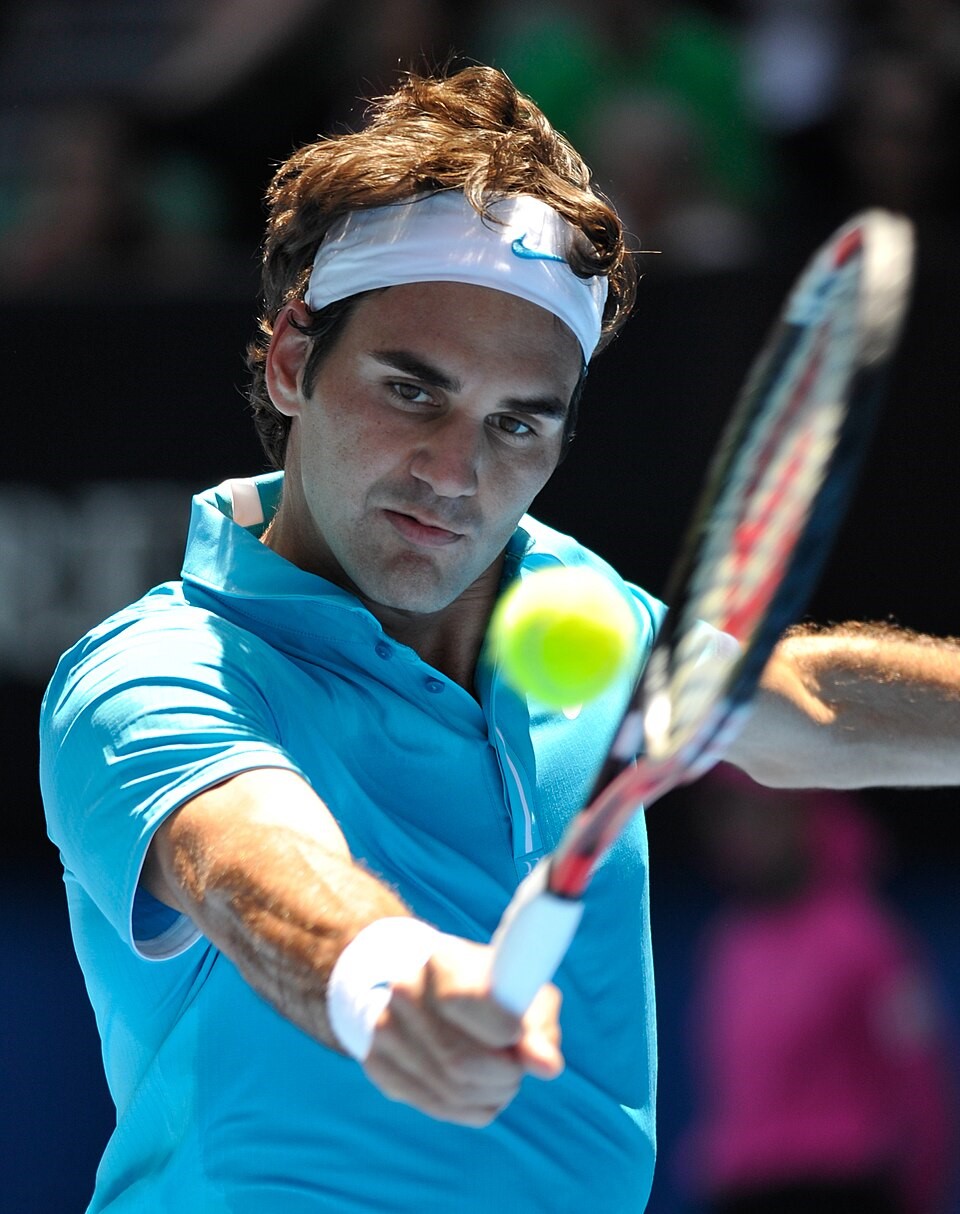
Roger Federer at the 2010 Australian Open
Source: Esther Lim / Wikimedia Commons
Yes, Roger Federer’s athletic grace is remarkable. It’s poetry in motion. But what fascinates me most about his professional career are the numbers:
- He played a total of 1,526 matches, winning 1,251 of them. That’s a success rate of 82%. That’s staggeringly high.
- However, in terms of individual points won within those matches, he only secured 54% of them. That’s surprisingly slim.
Now, when you stop and think about it, Federer’s performance is intriguing:
- In the short term, winning 54% of points doesn’t sound that impressive. In fact, you might argue that it’s actually no better than a coin toss. Moment by moment, stroke by stroke, as Federer sweated it out, his advantage barely seemed visible at all.
- Yet in the long term, the compounding effect adds up. The margin between victory and defeat might be razor-thin, but it should not be underestimated. Over time, that small edge snowballed into an 82% match-winning record.
Of course, Federer was conscious of this fact. During his 2024 commencement speech at Dartmouth College, he spoke about his career at length. Here’s what he said:
‘Even top-ranked tennis players win barely more than half of the points they play. When you lose every second point, on average, you learn not to dwell on every shot. You teach yourself to think: OK, I double-faulted. It’s only a point. OK, I came to the net and I got passed again. It’s only a point. Even a great shot, an overhead backhand smash that ends up on ESPN’s Top Ten Plays: that, too, is just a point.
‘Here’s why I am telling you this. When you’re playing a point, it is the most important thing in the world. But when it’s behind you, it’s behind you… This mindset is really crucial, because it frees you to fully commit to the next point… and the next one after that… with intensity, clarity and focus.
‘The truth is, whatever game you play in life… sometimes you’re going to lose. A point, a match, a season, a job… it’s a roller coaster, with many ups and downs. And it’s natural, when you’re down, to doubt yourself. To feel sorry for yourself.
‘And by the way, your opponents have self-doubt, too. Don’t ever forget that. But negative energy is wasted energy. You want to become a master at overcoming hard moments. That to me is the sign of a champion.’
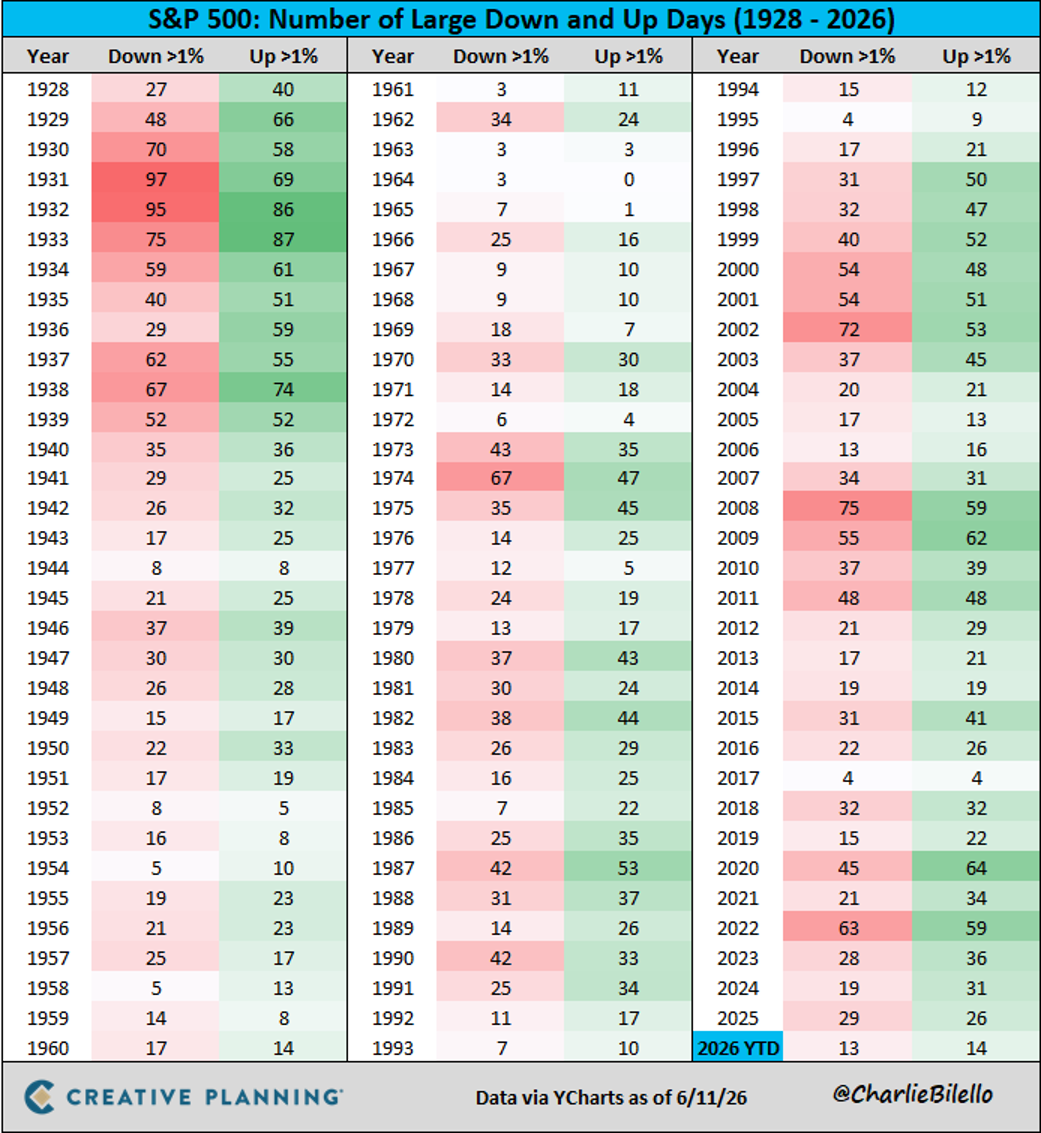
Source: Charlie Bilello / X
I can totally relate to Roger Federer’s words. Because investing is a lot like tennis. It’s about patience and resilience. You have to be able to play the long game. Here’s why it matters:
- The financial analysts at Crestmont Research have taken a look at the American stock market’s performance between 1951 and 2025.
- What they discovered is fascinating. Across that period, around 54% of trading days were positive. On the flip side, around 46% were negative.
- The psychological impact here can be profound. In the short term, you might think that the market isn’t progressing very much at all. The daily fluctuations appear to be messy. The volatility feels random. Perhaps no better than a coin toss.
- Yet in the long term, the compounding effect becomes quite clear. From 1951 through 2025, an investor who stayed committed, with dividends reinvested, would have earned a nominal total return of over 300,000%. Stronger than you might imagine.
Paul Samuelson once said: ‘Investing should be more like watching paint dry or watching grass grow. If you want excitement, take $800 and go to Las Vegas.’
- That’s so true, isn’t it? In a world of investment crazes and speculative bubbles, sometimes the hardest thing to do is to stick to a boring strategy. Be patient. Allow value to reveal itself.
- When it comes to investing, you can’t underestimate the humble power of gaining a tiny edge. No matter how small it looks like at first, rest assured, it does snowball over time.
- Ultimately, that’s the mindset of a champion. Resilience in the short term is what secures a victory in the long term. It’s all about consistency.
Our Upcoming Coffee & Capital Event

Does financial freedom matter to you? Are you looking for common sense? Well, we want to extend an invitation for you to come join us at our next live event. Here’s what we’ll cover:
- The New Zealand general election is fast approaching. Is this a turning point for our nation’s destiny? We’ll look at the major choices facing voters, the financial stakes involved, and what the outcome may mean for future prosperity.
- The Left bloc is rolling out new taxes on income, capital, and land. What will this mean for you and your family? We’ll examine how the tax proposals could impact your wealth, and what we are doing to protect our clients with risk-managed global portfolios.
- Strategic electorate and party voting will decide the balance of power. What can you do to make your vote count? We’ll unpack how MMP works, why the electorate vote and party vote can have very different consequences, and how this will influence the shape of the next government.
- Rising bond yields and Iran anxiety have led to market turbulence. Is this creating a window for courageous investors? We’ll look at the opportunities to buy discounted global assets in promising sectors. This could be the ideal moment to build a runway for future growth and income.
- Most importantly, we look forward to engaging with you in person. As always, we’ll make plenty of room for your comments and questions as we discuss what could be New Zealand’s most consequential election in years.
COFFEE & CAPITAL
Friday, 16 October 2026
11:00am to 12:00pm
✅ Register For Your Place Now
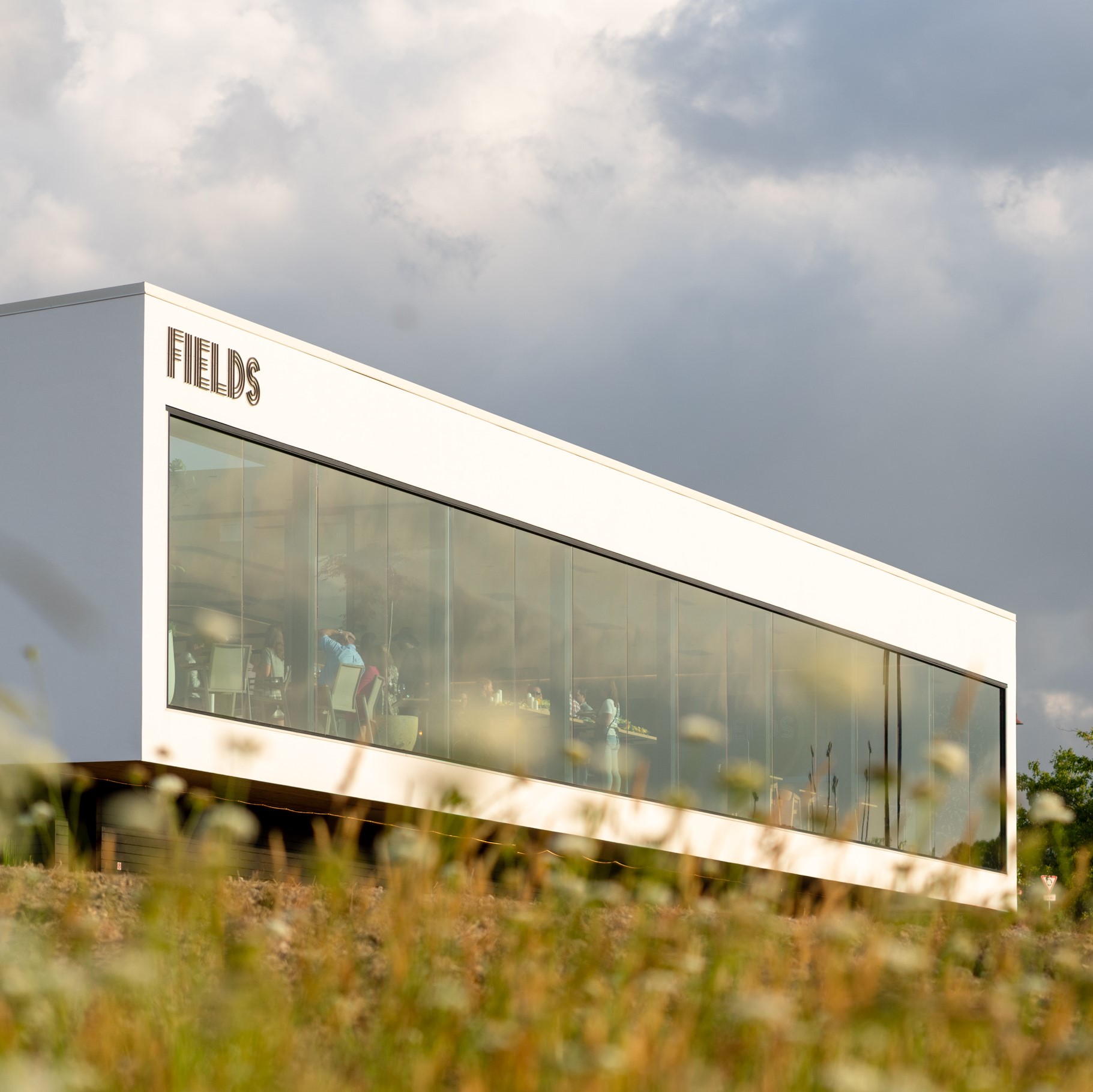
Fields Café (Function Room)
4 Appian Way, Albany, Auckland
$37 per person / limited spaces
Includes any menu item, coffee
[ Special Member Price ]
For Managed Account clients & Quantum Wealth subscribers
✅ Register For Your Place Now
$27 per person / limited spaces
Includes any menu item, coffee
Regards,
John Ling
Analyst, Wealth Morning
(This article is the author’s personal opinion and commentary only. It is general in nature and should not be construed as any financial or investment advice. Wealth Morning offers Managed Account Services for Wholesale or Eligible investors as defined in the Financial Markets Conduct Act 2013.)
John is the Chief Investment Officer at Wealth Morning. His responsibilities include trading, client service, and compliance. He is an experienced investor and portfolio manager, trading both on his own account and assisting with high net-worth clients. In addition to contributing financial and geopolitical articles to this site, John is a bestselling author in his own right. His international thrillers have appeared on the USA Today and Amazon bestseller lists.