
Imperialism. Expansionism. Empire-building.
These sound like scary words, don’t they?
When you look at the media headlines today, you will see a landscape of breaking news. It’s always urgent. Always relentless.
The journalists keep saying that the crisis that we’re facing now is an existential threat. It’s totally different from anything that’s come before. And it’s going to create an unprecedented disaster.
But… really?
Is any of that actually true?
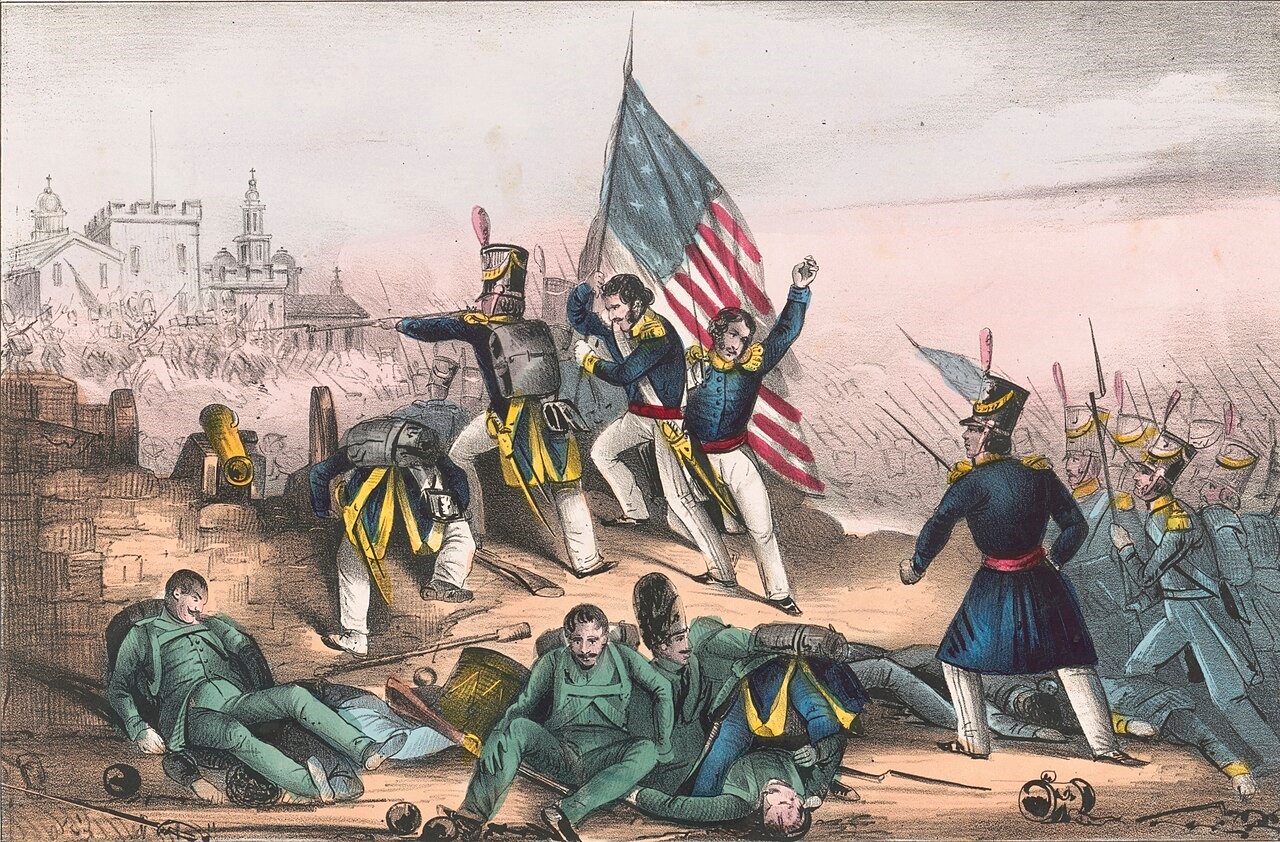
Attack on Chapultepec. A pivotal event during the Mexican-American War. Source: Wikimedia Commons
Well, if you look back on history, you’ll get a better sense of what previous cycles of empire-building looked like. Here are two examples from the 19th century:
- Between 1846 and 1848, the United States invaded Mexico. They engaged in a land war on the frontier. The Mexicans were soundly defeated. And in the aftermath, the Americans acquired territories like California, Nevada, and Utah.
- Then, in 1898, the United States carried out a decisive naval campaign. It ran just under four months, and the Americans completely smashed Spanish dominion in the Pacific. This allowed them to acquire territories like Guam, Puerto Rico, and the Philippines.
What is striking to me is that none of these events caused an economic collapse. In fact, quite the opposite. They actually strengthened American prosperity and ascendancy.
- Of course, some people will look at these military adventures with a raised eyebrow. They will say that it’s immoral for America to flex its muscles. To conquer. To expand.
- However, I think that personal morality has very little to do with foreign policy. When nations compete against each other for resources, it’s just social Darwinism. Survival of the fittest.
Barry Eisler, a former CIA operative and avowed libertarian, has some interesting thoughts on American empire. In his novel Fault Line, he writes this:
What did Caesar say? Oderint dum metuant. Let them hate us, so long as they fear us.
He thought about hate. America was hated overseas, true, but was pretty well understood, too. In fact, he thought foreigners understood Americans better than Americans understood themselves. Americans thought of themselves as a benevolent, peace-loving people. But benevolent, peace-loving peoples don’t cross oceans to new continents, exterminate the natives, expel the other foreign powers, conquer sovereign territory, win world wars, and less than two centuries after their birth stand astride the planet. The benevolent peace-lovers were the ones all that shit happened to.
It was the combination of the gentle self-image and the brutal truth that made Americans so dangerous. Because if you aggressed against such a people, who could see themselves only as innocent, the embodiment of all that was good in the world, they would react not just with anger, but with Old Testament-style moral wrath. Anyone depraved enough to attack such angels forfeited claims to adjudication, proportionality, even elemental mercy itself.
Yeah, foreigners hated that American hypocrisy. That was okay, as long as they also feared it. Oderint dum metuant.
Of course, I don’t necessarily share Eisler’s viewpoint. Perhaps he might be too cynical for my tastes. Too gloomy.
- However, I do agree with him on one thing. America is a warrior nation. In fact, it is the most successful warrior nation ever.
- There’s a reason why people fear it and respect it in equal measure.
Source: MarketWatch
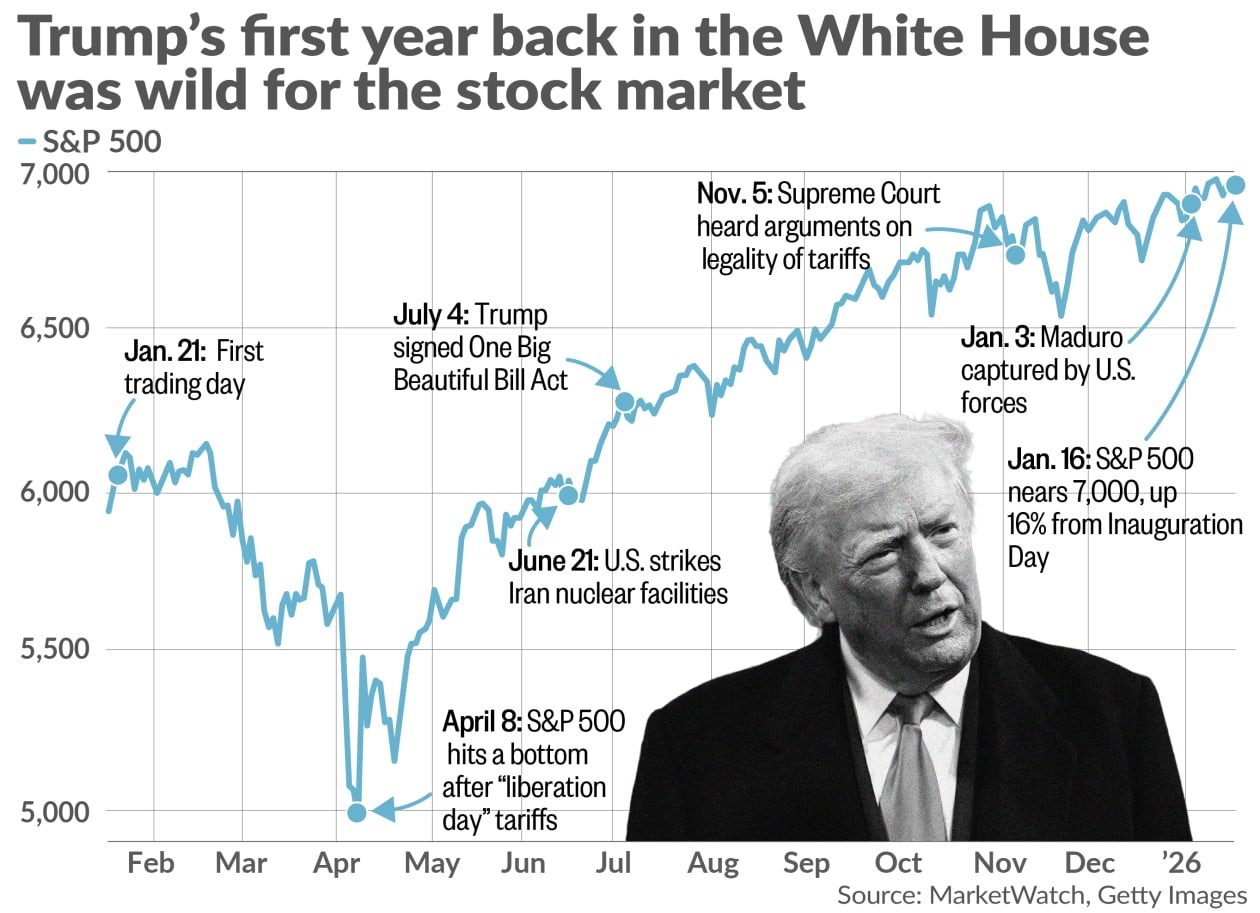
So, this brings us to Donald Trump’s presidency. Right here. Right now.
- Will his foreign policy destroy prosperity? Or will it create prosperity? What does the road ahead look like?
- Of course, it’s no secret that many people dislike Trump. However, historically speaking, he is actually not much different from previous expansionist presidents like James Monroe, James Polk, and William McKinley.
- Trump’s pursuit of American exceptionalism may create angry headlines, but it actually follows a rational pattern. Long-term investors already recognise this.
- So, to cut through the media noise, I want to give you 4 Urgent Signals. These are trends that you need to watch closely if you want to understand the current state of play in the markets…
Your first Quantum Wealth Report is waiting for you:
⚡🌎 Start Your Subscription: NZ$37.00 / monthly
⚡🌎 Start Your Subscription: US$24.00 / monthly


John is the Chief Investment Officer at Wealth Morning. His responsibilities include trading, client service, and compliance. He is an experienced investor and portfolio manager, trading both on his own account and assisting with high net-worth clients. In addition to contributing financial and geopolitical articles to this site, John is a bestselling author in his own right. His international thrillers have appeared on the USA Today and Amazon bestseller lists.