
Every morning, millions of people pay a toll they never see.
It is not at a motorway gate. It is buried in the gas bill, built into the price of petrol, and quietly sitting inside the cost of boiling the kettle, heating the house or buying groceries.
That toll goes to the owners of energy infrastructure: the pipelines, storage tanks, ports, power lines and gas networks that keep modern life moving.
Think of a pipeline as a motorway for molecules. Oil and gas travel through it, and the owner collects a fee for providing the route.
The owner does not need oil at US$100 a barrel or a sudden gas-price spike to earn money. What it needs is steady traffic — and in energy, traffic rarely stops. Homes need heating, trucks need fuel, factories need power, and supermarkets need goods delivered.
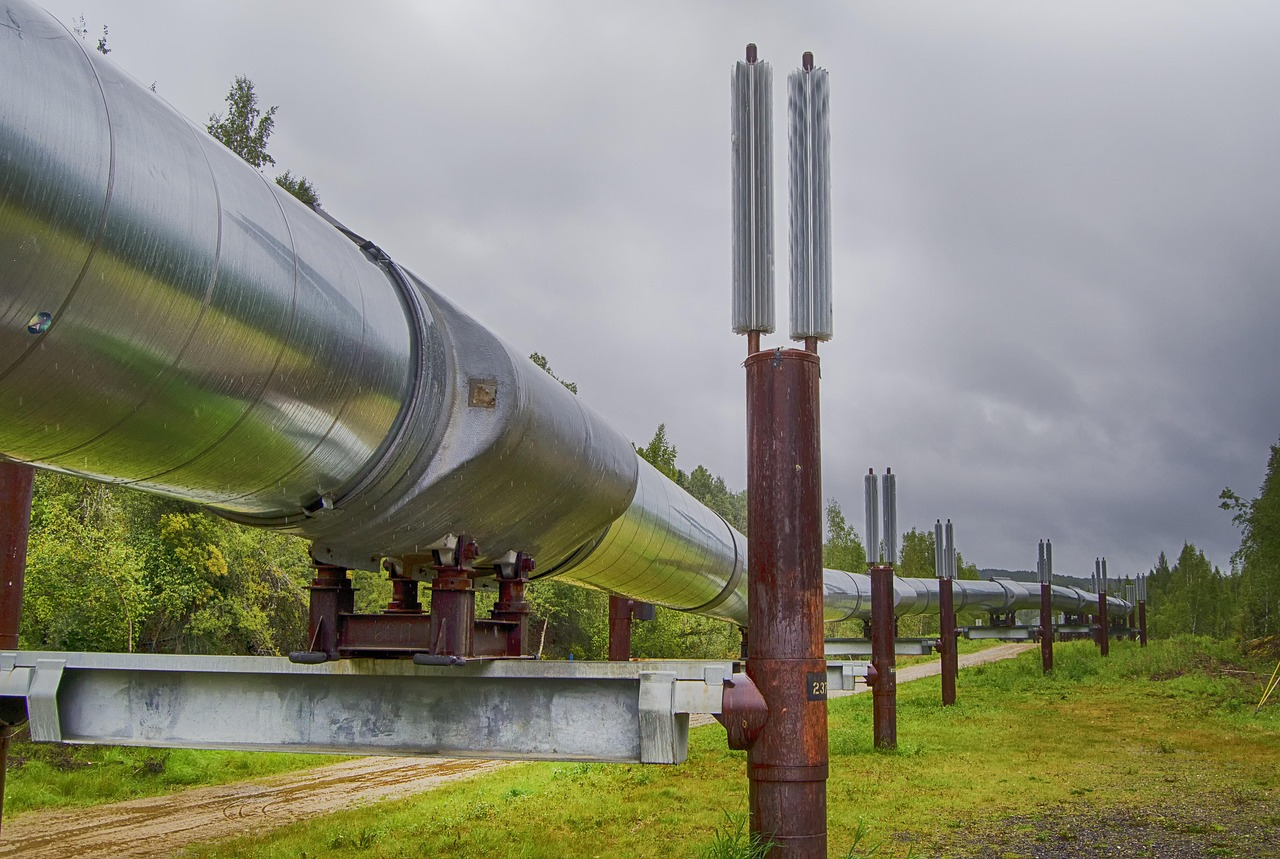
Source: Image by Jim Black from Pixabay
This becomes more relevant when inflation is already squeezing household budgets.
In New Zealand, consumer prices rose 4.1% in the year to June 2026. Petrol prices were up 27.5% and electricity prices rose 12.0%. Gas prices were also 11.4% higher in June than a year earlier.
When energy costs rise, they do not stay neatly inside the energy bill. They flow into food, transport, rent, business costs, and nearly everything else we buy.
So why does someone not just build another pipeline and offer a cheaper service? In theory, they can. In practice, it is like trying to build a second motorway through someone’s backyard, across farms, forests and towns, only to arrive at the same destination.
You need billions of dollars, land rights across hundreds of kilometres, environmental studies, government approvals, community support, long-term customer contracts, and connections to refineries, storage hubs and export terminals.
By the time all this is done, perhaps a decade later, the existing operator has often expanded its own route and tied up the customers.
The result is a local monopoly — but not the cartoon villain type. Pipeline and gas-utility operators are usually regulated, meaning they cannot simply charge whatever they want. Regulators set rules on prices and allow a fair return for maintaining and investing in the network.
Your street generally has one gas main; nobody will dig up the road to lay a second one just to win a few customers.
This is why the threat of new entrants is low in Porter’s Five Forces. Competition is strongest before a route is built. Once the asset is operational and connected, it becomes part of the economy’s plumbing: expensive to duplicate and difficult to bypass.
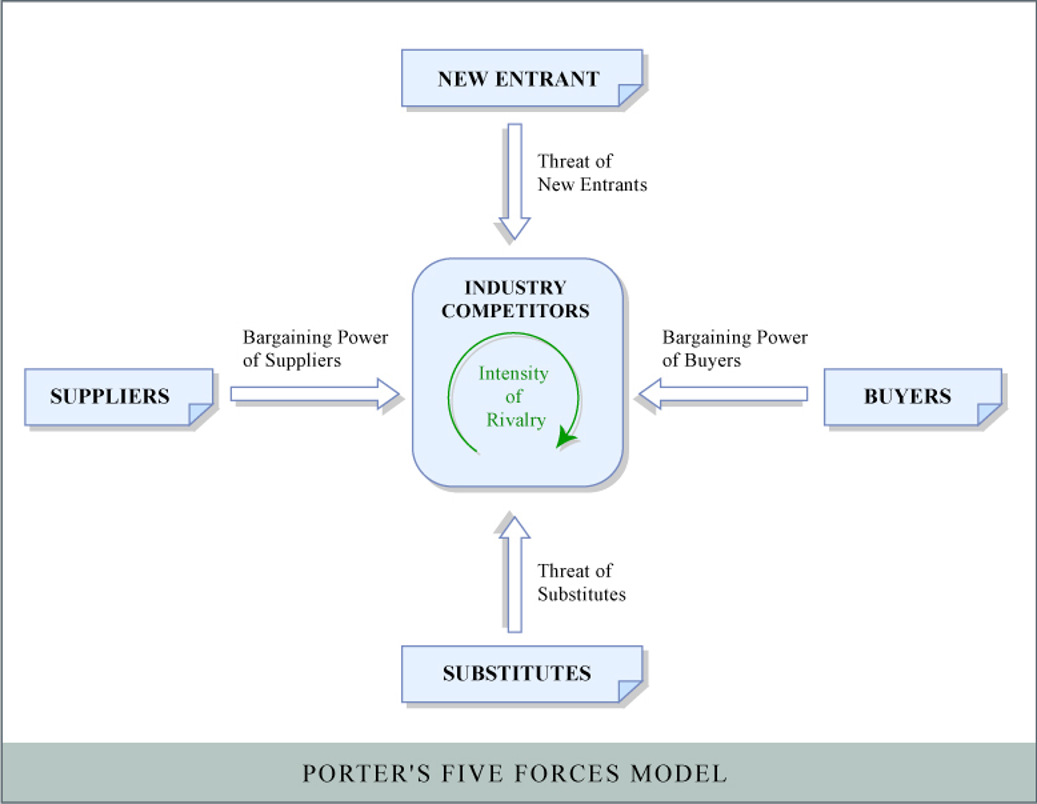
Source: MIT OpenCourseWare / Wikimedia Commons
There is no free lunch. Inflation can increase construction, labour and interest costs, and these businesses often carry substantial debt.
Yet some regulated tariffs and long-term contracts include inflation protection, which can help owners preserve earnings over time.
The real value is not merely in the steel pipe. It is in the permits, rights-of-way, contracts, and connections that make the pipe hard to copy. That is the moat — and it leads naturally to one of the largest owners of these energy toll roads…
Your first Quantum Wealth Report is waiting for you:
⚡🌎 Start Your Subscription: NZ$37.00 / monthly
⚡🌎 Start Your Subscription: US$24.00 / monthly


Amit is an analyst and writer at Wealth Morning. He is deeply passionate about understanding how businesses create value, and he brings strong financial modelling skills to his research. Amit has 10+ years of experience across firms like State Street, AMP Capital, and Sydney Water, where he has done analysis on institutional investments ranging from $10 million to $3 billion. He focuses on what matters most: strategic asset allocation and long-term performance. Amit holds a Master of Business Administration in finance from the University of Wollongong. With an intelligent approach to downside protection, he offers a contrarian perspective on global investment strategy.