
There are strange cases in medicine where the body appears broken, but nothing is physically wrong.
A person goes blind in one eye. The scans are normal. The nerves are intact.
The Body Keeps the Score, a book by Bessel van der Kolk, explores this phenomenon. Trauma or chronic stress expresses itself through the body. Not through conscious thought.
In some cases, the cause is merely psychological.
Human actions can be driven by emotion more than you think. Not reason.
This theory of mind is known as ‘emotivism’.
We believe we are being rational in our choices, but our opinions are instead driven by the underlying emotion.
Sometimes we try to find rational reasons to justify our emotions. Not the other way around.
This leads to confirmation bias, where we seek facts and evidence to justify an emotional belief we already have.
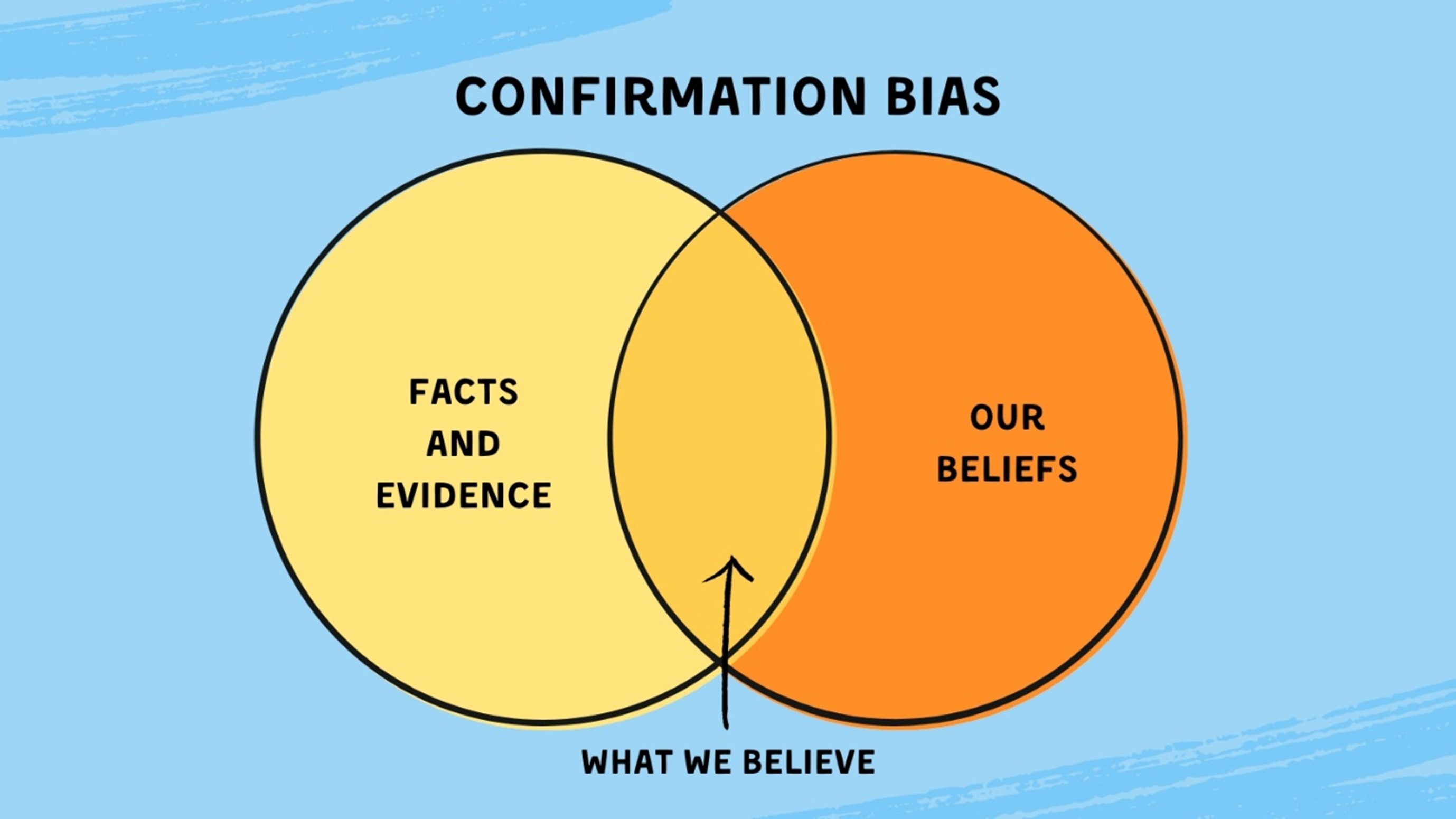
Source: We Are Teachers
Much of investing is driven by emotion. Hardly anyone spends 60 hours a week on a Bloomberg terminal, but many people are invested in the market.
So market outcomes must be viewed through both a quantitative and qualitative lens.
The fundamental economics of a country drives the narrative — and it is the narrative, not just the economics, that drives equity markets.
We must ask ourselves: what is the story behind a country? And how is this being presented to the general population?
Opportunity may lie in the gap between the narrative being told and the actual reality.
Let’s try this: If I were to ask you who has the ‘best economy’ in the world right now, what would your answer be?
Is it China with its ventures in AI, robotics, and high-tech transportation?
Or is it still the United States?
Well, The Economist doesn’t think it is any of these.
Their economy of the year is actually Portugal…
Your first Quantum Wealth Report is waiting for you:
⚡🌎 Start Your Subscription: NZ$37.00 / monthly
⚡🌎 Start Your Subscription: US$24.00 / monthly


Milo is an analyst and writer at Wealth Morning. He holds a conjoint degree in Commerce and Arts from the University of Auckland, majoring in Economics, Psychology, and Philosophy. His experience in financial services includes work as an AML and Verification Analyst, specialising in risk assessment and compliance. He’s set to join the New Zealand Treasury as a graduate analyst, contributing to economic strategy and public policy. With a sharp analytical mindset and a multidisciplinary lens, Milo applies behavioural finance and commercial insight to investing.