When you assemble your IKEA furniture or put on a smart outfit from H&M, you are not thinking about Sweden. The same when a Volvo passes you on the highway.
But all three brands come from the same place: a small country that has spent the last 10 years handling some very big and very public problems.
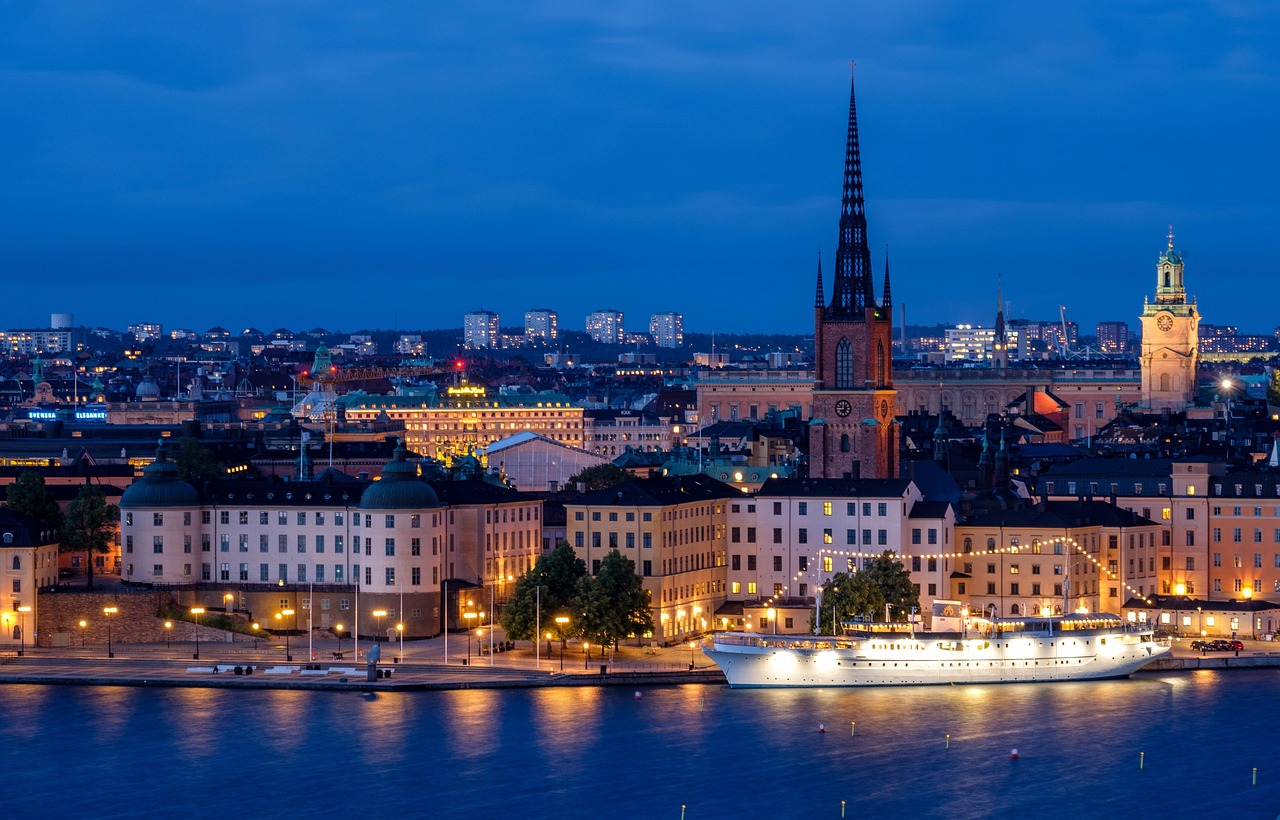

Stockholm, the capital of Sweden. Source: Image by Bruno from Pixabay
Sweden’s recent history is, in fact, a series of shocks.
In 2015, it took in around 163,000 asylum seekers, almost 2% of its own population. This was the highest number per head among EU destination countries. Housing, schools, and local budgets came under heavy strain, and the government quickly turned from its proud open-door talk to border checks and stricter rules.
A few years later, a rise in gang shootings and bomb attacks in poorer suburbs broke the old image of Sweden as a place where serious crime happens only somewhere else.
Then came Covid-19. While most of the world went into strict lockdown, Sweden chose a lighter approach, which turned the country into a much-debated experiment at the very time global markets were falling.
Finally, Russia’s invasion of Ukraine ended about 200 years of Swedish military non-alignment and pushed Stockholm to apply for NATO membership. Sweden formally joined NATO in March 2024 — a step that earlier would have been almost unthinkable.
Each of these events created real fear. But if you look carefully, a different pattern is visible: first panic, then adjustment. Sweden did not pass through the decade untouched. The point to note is that it changed direction whenever reality demanded it.
For income investors who value reliability more than excitement, this ability to reset matters more than any claim of being perfect.
Sweden’s sharemarket has given solid returns over the past year. The main Stockholm index is up over 30% and is trading close to its all-time high. In simple terms, the market is saying that Sweden’s problems are real, but so is its capacity to manage them.
The country’s public finances support this picture. Sweden’s government debt is among the lowest in the OECD — about 35% of GDP in 2025, against an EU average of around 82%. This gives the state plenty of room to spend and support the economy.
But one must be balanced here. The household side is not so comfortable. Swedish household debt is high by both international and historical standards. Total household debt is around 1.5 times yearly disposable income, and a large share of home loans are on floating interest rates.
This makes Swedish families among the most interest-rate-sensitive in the EU. When rates rise, their monthly burden goes up quickly.
From a market perspective, analysts often pay attention to the large domestic banks, given their central role in Sweden’s financial system and their long record of operating through shocks.
These institutions have remained profitable and continued paying dividends across different cycles.
For observers, the open question is how this stability interacts with Sweden’s broader economic reset…
Your first Quantum Wealth Report is waiting for you: