
Summer 2016. I was on a bus in the UK, en route to the next leg of my European adventure.
I was the self-appointed babysitter to a friend hell-bent on testing their alcohol tolerance in every city we visited. (I don’t drink, so I’ve always been Plan B. Always.)
The sun was shining. The weather was perfect. Everything felt normal.
Except it wasn’t. Because that day, millions of people were about to cast votes that would reshape Britain’s future. They just didn’t know it yet.
I clearly remember the Commonwealth Bank of Australia had frozen trading of pound sterling for retail customers, and a girl panicked as she could not withdraw money. Luckily, the tour guide did help.
That’s when the world seemed to pause. Uncertainty hung in the air like London fog. A referendum had been held. A result nobody expected. The institutions that had governed for centuries suddenly felt vulnerable.
Back then, the narrative was clear. Britain was retreating. Turning inward. Walking away from the world. The consensus was brutal: this was decline disguised as democracy.
The headlines were relentless:
‘Sterling crashes.’
‘London loses its edge.’
‘The end of British influence.’
I watched as companies debated leaving. As talent considered emigrating. As the world’s certainty about Britain evaporated almost overnight.
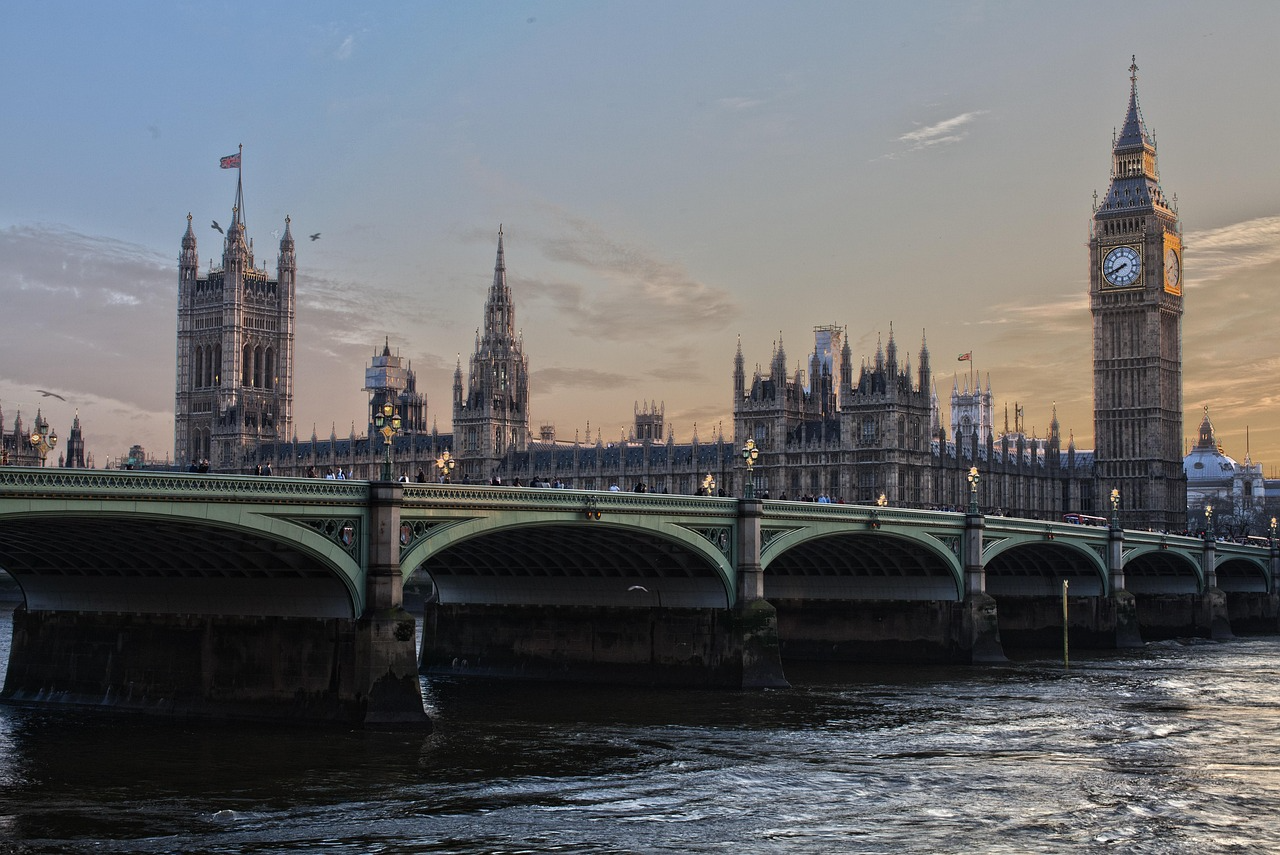

London is facing a crossroads. Source: Image by Adam Derewecki from Pixabay
In those days, you could feel the malaise. The questioning. The doubt.
I turned to colleagues and asked: ‘Is this the beginning of the end?’
Some shook their heads gravely: ‘Britain had its moment. We’re watching the slow fade of an empire.’
A big pronouncement. Yes, emotions were running high, but even I knew this narrative felt incomplete.
The narrative that never was
Of course, the story didn’t end there.
While the pessimists were writing obituaries, Britain was quietly reshaping itself.
The old institutions aren’t disappearing. They are being reformed. New trade relationships are being forged. A different kind of dynamism is emerging.
In 2026, what fascinates me now is how the tide has turned. London remains a global financial hub. Asset management is undergoing a transformation. There are players that are embracing technology. Courting institutional clients. Building scale while managing costs.
Right now, I’m watching one particular firm in this space. It’s a London-headquartered company with deep roots in British financial services.
It isn’t drawing the attention of retail investors just yet. The consensus remains muted. The recovery narrative hasn’t fully emerged yet.
But a turnaround has been quietly building. Improving metrics suggest an inflection point is near. The valuation doesn’t yet reflect the potential ahead.
Consider what’s changed since Brexit. Capital flows have shifted. Global investors are reassessing where they allocate their money. European asset managers are facing pressure from regulations and competition.
But a UK-based asset manager with the right scale, the right products, and the right distribution? That’s suddenly attractive.
In the ruins of old certainties, new possibilities are emerging.
Could this be the company that the global market is looking for?
Your first Quantum Wealth Report is waiting for you: