
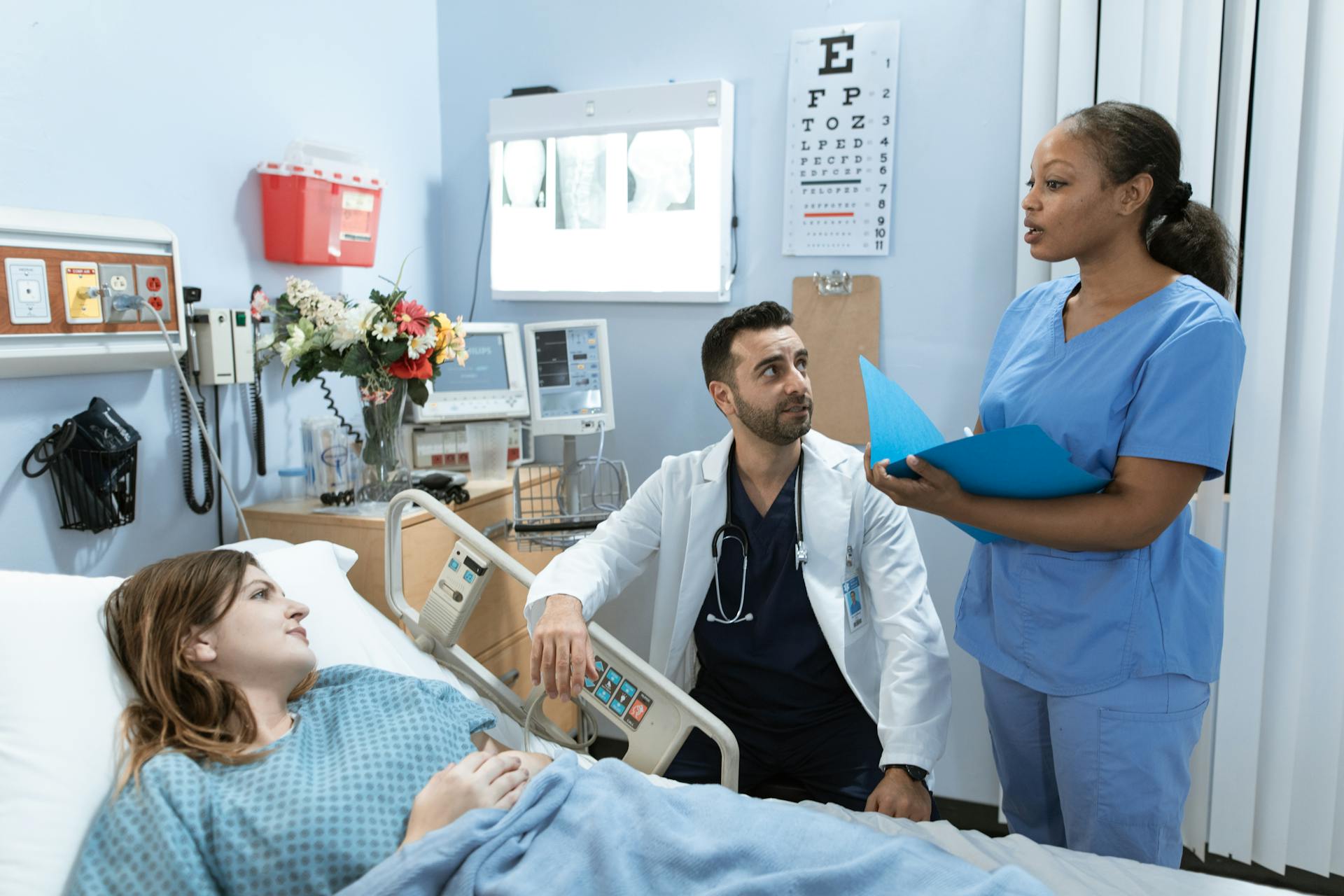
Medicine is one of the best areas of work to get into if you are interested in building a strong career, but how should you approach it on the whole? A medical career has always demanded a long horizon, steady discipline, and a willingness to keep learning long after qualification. In 2026, that reality hasn’t changed, but the structure around it has. Training pathways are more modular, professional expectations are more transparent, and technology is shaping both how medicine is practiced and how doctors are developed. For anyone entering or progressing through medicine now, the challenge is less about simply qualifying and more about continuously adapting within a system that is itself in motion.
Early Career: Foundation And Direction
The early postgraduate years remain the period where many doctors begin to shape their identity as clinicians. Foundation training is still about exposure, but it is now also explicitly about reflection and direction. Trainees are expected to actively document skills, feedback, and outcomes in ways that build toward future specialty applications. The days of passive rotation through departments are largely gone; instead, there is an expectation that early doctors begin thinking strategically about their trajectory.
Choosing A Specialty And Building Depth
Specialty selection remains one of the most defining stages in a medical career. In 2026, the process is less linear than it once was. Many doctors now take time out of programme, engage in research, or complete fellowships before committing fully to a specialty. This reflects a broader cultural shift in medicine: expertise is still valued, but breadth of experience is increasingly seen as an asset rather than a diversion.
The Role Of Professional Development Programs
Professional development has become the backbone of a sustainable medical career. Where once continuing education might have been treated as an obligation, it is now increasingly the mechanism through which doctors maintain relevance in a rapidly evolving system. This might be the Career Bridge Program, or any CPD framework which is suitable for a particular role. In the UK, Continuing Professional Development (CPD) requirements are embedded within revalidation processes overseen by the GMC. However, the landscape of learning has expanded far beyond traditional conferences and journal reading. Many clinicians now engage with structured professional development programs that combine clinical updates, leadership training, and digital literacy.
Building A Sustainable Career
A sustainable medical career is no longer defined purely by progression up a hierarchical ladder. Many doctors now build portfolio careers, combining clinical work with research, education, entrepreneurship, or policy involvement. This diversification is partly a response to workload pressures but also reflects changing expectations about professional identity. Burnout prevention has become a formal part of workforce planning rather than an individual concern. NHS trusts and training bodies increasingly incorporate wellbeing strategies into rota design, supervision structures, and mentorship schemes. While challenges remain, the conversation has shifted from resilience as an individual trait to sustainability as a system responsibility.