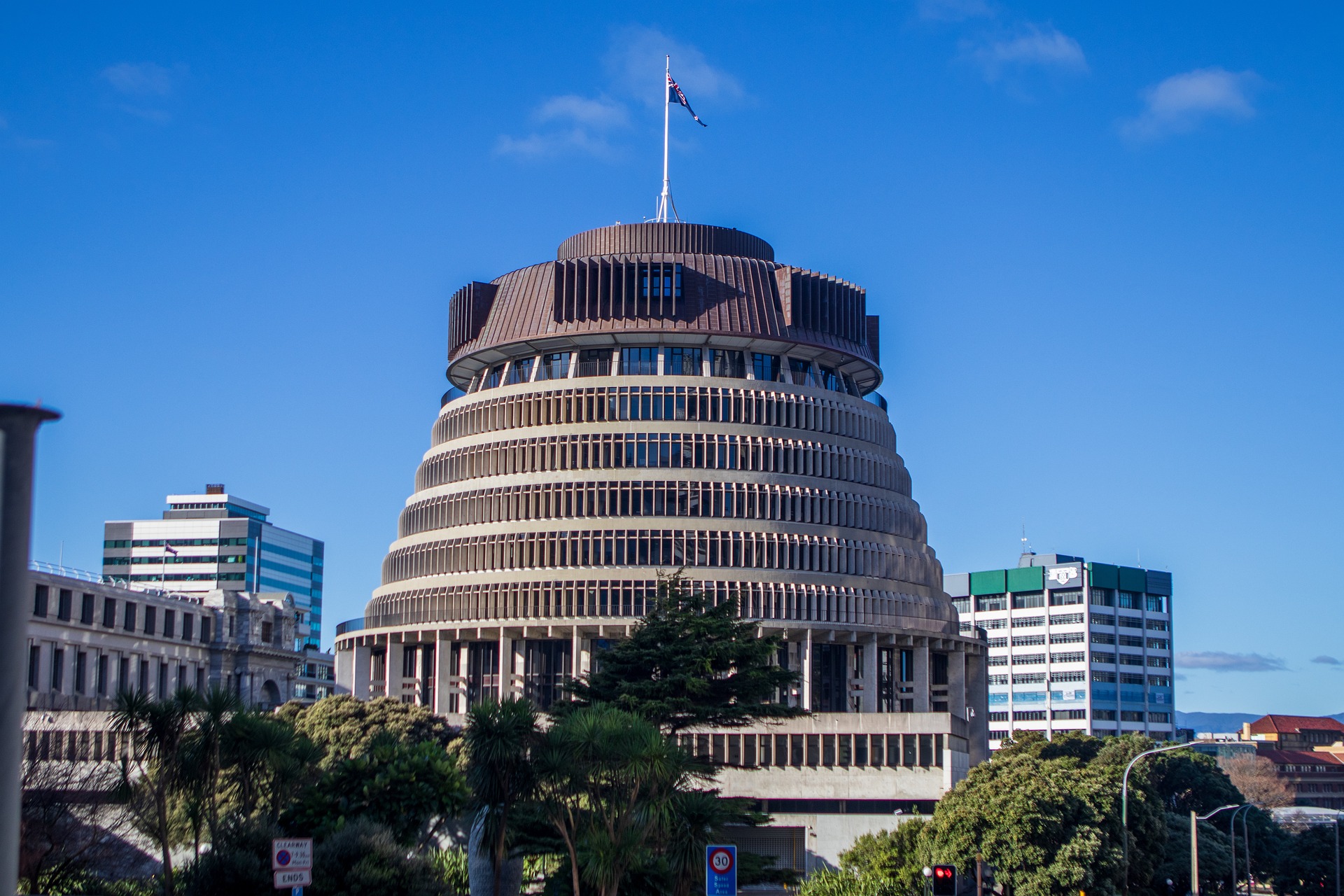
I wanted to go for a swim.
New city, new rhythm. Wellington felt like the sort of place where you finish work, catch up with some mates, walk down to the harbour, and jump in. Simple.
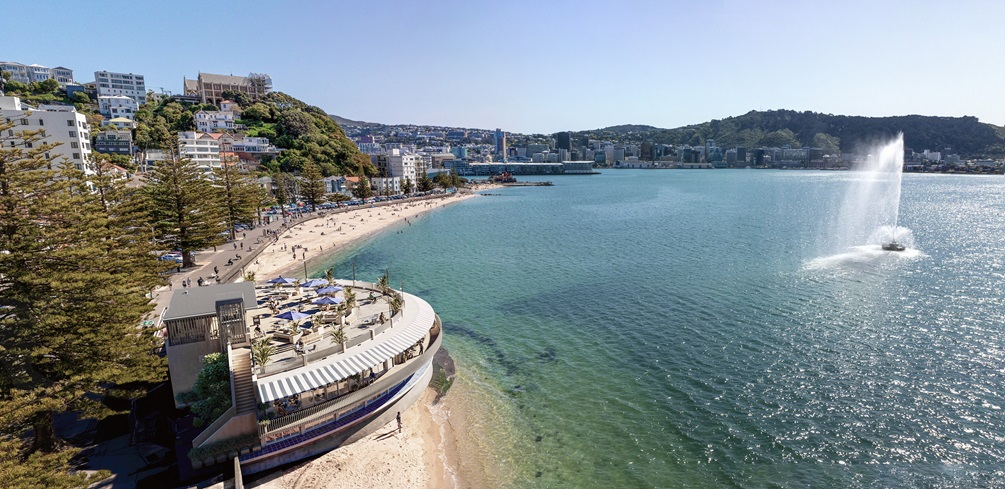

Oriental Bay. Source: Wellington City Council
Except it wasn’t.
After the heavy rain, there were significant overflows.
At Moa Point, when the system is overwhelmed, what should be treated and contained ended up in the sea.
It would be easy to frame that as bad luck. A weather issue. A one-off.
But it doesn’t feel like that anymore.
Think about the Auckland Anniversary floods in 2023. Motorways underwater. Homes destroyed. Public transport crippled. Then Cyclone Gabrielle. Then repeated boil-water notices around the country. Even the recent storms. Each event feels less like an anomaly and more like a stress test, and each test reveals strain.
So why does it feel like so much of our infrastructure is reaching its limits at once?
Conflicts in the system — how we have measure our public finances
Part of the explanation lies in how we’ve thought about public finances.
For years, New Zealand’s debt-to-GDP ratio was low by international standards. That became a point of pride. It signalled prudence, stability, room to move.
If debt is manageable relative to the size of the economy, then borrowing to buy assets does not look reckless — it looks responsible.
In that environment, capital could feel almost ‘free’.
If the government borrowed to build a road, a treatment plant, or a rail line, the liability went on the balance sheet, but so did the asset. Net worth did not appear to deteriorate dramatically. In fact, it could even look stronger. More assets (with increasing land and building value), modest debt, low debt-to-GDP. The optics were comfortable.
Because headline debt levels were low, there was less pressure to interrogate the longer-term strategic cost of that capital. The focus stayed heavily on operating balances — on whether we were running a surplus or deficit in a given year. OBEGAL (operating balance excluding gains and losses) became the shorthand for fiscal virtue.
Operating discipline mattered. Capital replacement, less so.
At the same time, we relied on straight-line depreciation to account for the wearing out of assets. On paper, that spreads the cost evenly across an asset’s useful life.
But infrastructure does not decay neatly. Pipes laid decades ago may deteriorate faster under higher loads. Stormwater systems designed for less intense weather events fail. Depreciation schedules can look orderly while the physical systems they represent become fragile.
If depreciation assumptions are conservative, and replacement is deferred, you can end up with a growing gap between what the balance sheet suggests and what reality demands.
Low debt-to-GDP meant we could keep adding assets without feeling constrained. But it did not force us to think hard about whether we were adequately provisioning to renew them at the end of their lives. We were comfortable buying capital. We were less disciplined about replacing it.
And then, before we knew it, the GFC, the Christchurch earthquake, and Covid-19 happened. That meant, all of a sudden, our public debt levels were of concern…
Your first Quantum Wealth Report is waiting for you: