
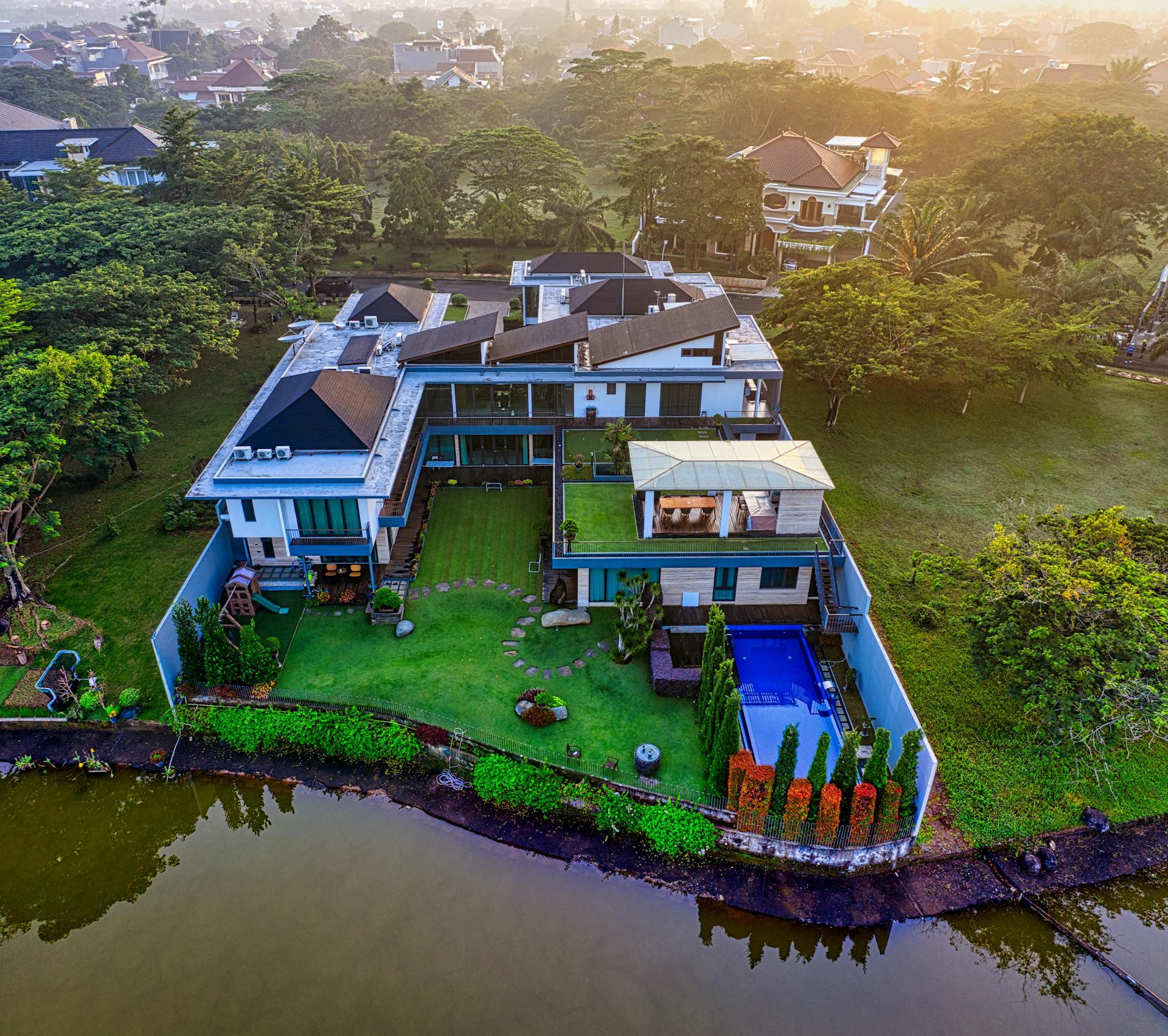
Many of us dream of owning a home looking out over the sea, a river or a lake. Such properties certainly come with their perks: breathtaking views, fresh air and possibly even private access to the water. However, there are also downsides: erosion, corrosion and the risk of flooding. To stop your investment literally going ‘underwater’, you need to consider putting in place some protections. Below are just a few improvements that will keep you high and dry.
Start by installing a bulkhead
The best defence on many waterfront properties is bulkhead construction. This involves building a study retaining wall along the shoreline that holds back soil and absorbs wave impact. Such walls are typically made from concrete, steel, vinyl or pressure-treated wood. The best suited style for your property depends on the soil type and roughness of the water. You should also make sure your bulkhead complies with local regulations (some areas may require you to stick to a certain design to maintain visual harmony).
Consider riprap or gabion cages
A more natural-looking option is to use piles of rocks. Riprap – also known as ‘rock armour’ – is the most basic solution, and involves using angular rocks along the shore that help break up waves and hold the bank. Gabion cages involve placing rocks in cages for a happy medium between the security of a bulkhead and the natural aesthetics of riprap. Both types of defense work best on gently sloping shorelines.
Experiment with permeable landscaping
Sometimes water will breach whatever shore barrier you have in place. Permeable landscaping helps any water to drain away before it reaches your property. This could include using permeable pavers, french drains or deep gravel areas to absorb water. Gentle grading can help water to runoff back towards its source. You can also choose native plants that thrive in wet soil (sometimes known as a ‘rain garden’).
Weigh up wet vs dry floodproofing
If water ever reaches your property, you’ll be glad that you consider floodproofing. There are two types of floodproofing: wet floodproofing and dry floodproofing:
- Dry floodproofing: This involves keeping water out by sealing doors, walls and windows. It may also include flood shields and barriers.
- Wet floodproofing: This involves letting water access certain areas like basements or first floor areas. Choose flood-resistant materials, raise electrical outlets, add flood vents and install sump pumps to control water within your home.
Dry floodproofing tends to be preferable to wet floodproofing, but in high-risk flood zones you might have to consider the latter option.
Use marine-grade paint and waterproof exterior finishes
Moisture in the air may cause certain exterior materials to corrode, rot, warp or spoil if you’re not careful. Salt within sea air can contribute to damage. Make sure to choose exterior materials that can withstand sea spray and humidity. Marine-grade paints are a good option for walls and fences – these paints provide an impermeable barrier and don’t peel when exposed to excessive moisture like regular paints. Materials like fibre-cement, PVC and marine grade aluminium/steel can also offer good water protection and are commonly used for siding, roofing and window frames.