

‘One of my favourite tricks is the inversion process. Constantly invert.
Don’t think about what you want. You think about what you want to avoid.’
—Charlie Munger
For the past few years, oil has been cheap. Some thought it would stay that way. Others thought we could move completely beyond it with renewable energy and electric vehicles.
As Charlie said, we should have inverted that thinking. We should have thought about what we wanted to avoid. For instance, the fuel catastrophe now upon us.
Oil has been a source of prosperity and resilience
In some indirect way, oil in Taranaki paid for me to move to Auckland and study finance. It gave me my first start in business. And a taste for making money.
The province grew wealthy on the oil boom there in the 1980s and ‘90s.
Rob Muldoon had just invested in ‘Think Big’ following the oil shock of the 1970s. This enabled some potential self-sufficiency via the synthetic-petrol plant at Motunui and expansion of the Marsden Point Oil Refinery.
During my final years at New Plymouth Boys’ High School, I gained holiday work at Petrocorp, then the owner of McKee oil field. The work involved recording data across the field and cooking for workers during the 24-hour shutdown.
But the main impact was on the prosperity of the region.
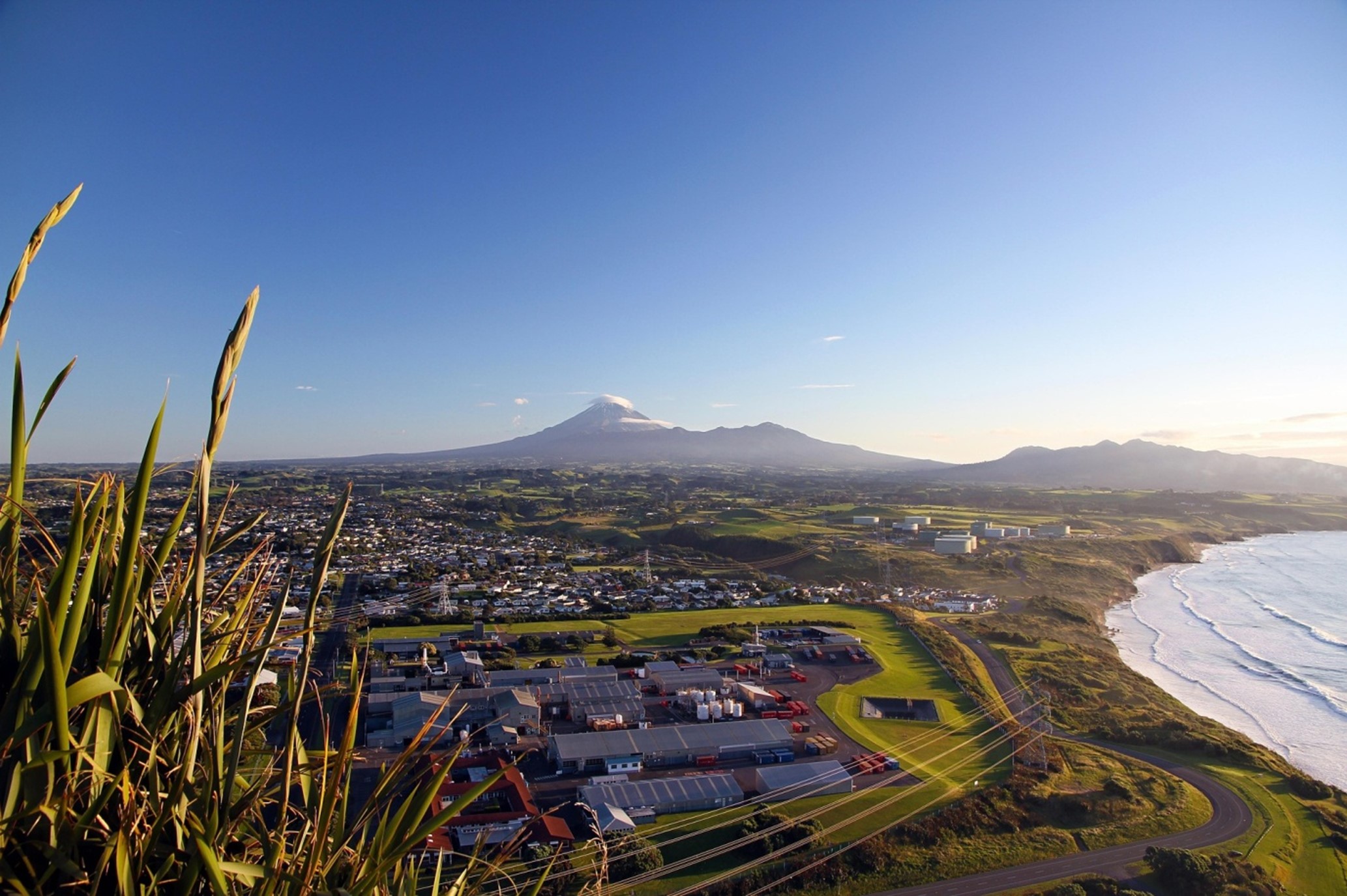

Source: Image by Jeff Poole from Pixabay
The energy industry brought well-paid jobs, company cars, and spacious homes in new subdivisions. Senior staff were allocated powerful Mitsubishi V3000s, middle managers Toyota Coronas.
I set up a small business selling chilled pizzas door to door. A factory sold me the fresh pizzas for $2 each. I bundled them into bags of five for $20. My mates helped me sell. Around 4-5pm in the prosperous suburbs, filled with oil workers and their families, almost every home would buy a pack.
One of the pizza sellers lived on a farm with a large petrol tank. His father sometimes filled my mother’s ‘pizza car’ (a Mini Clubman) from the tank. We easily cleared $2,000 a week on substantial margins.
Petrocorp, McKee, and oil
Petrocorp — originally the state-owned Petroleum Corporation of New Zealand — was sold to Fletcher Energy in 1988, which later saw most of its assets sold to Shell in the late 1990s.
McKee is owned by Todd Energy today. During its active drilling programme, it initially produced about 10,000 barrels per day. By the early 1990s, oil production declined, while natural gas production rose as the field matured.
These days, New Zealand produces about 19,000 barrels per day of crude, but consumes around 160,000.
In the heyday of the McKee and Maui fields, some condensate was refined at Marsden Point, but generally it was more economic to export that oil and import cheaper, heavier crude from the Middle East.
Energy and financial resilience today
Poor men trust words. Smart men trust patterns. Patterns never lie.
The pattern has been clear since the 1970s. At times, the global oil market has been beset by conflict, causing severe disruptions to supply. From events in the Middle East to Ukraine, we’ve seen the oil price spike.
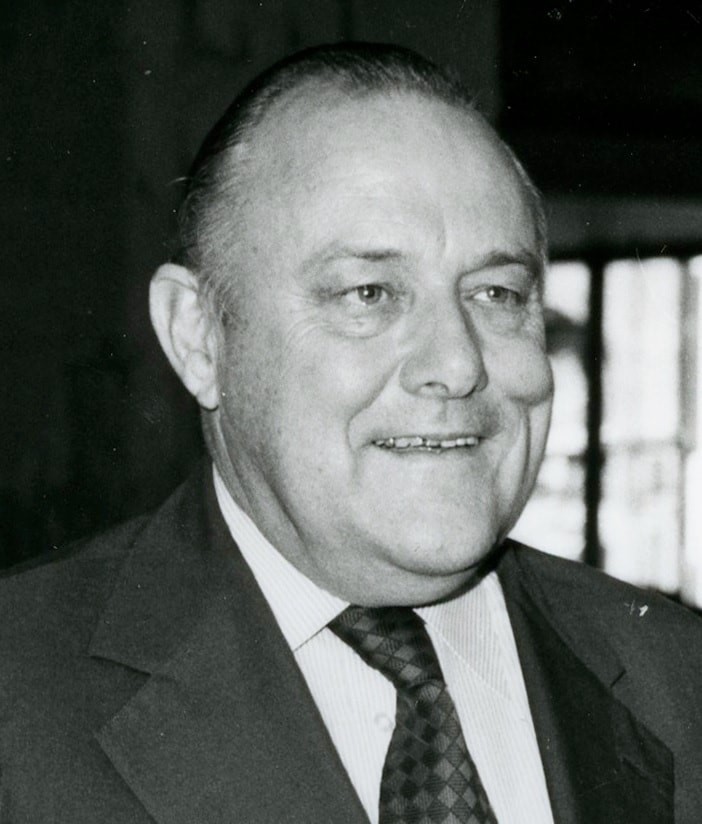

Robert Muldoon in 1978. Source: Wikimedia Commons
Muldoon understood this pattern. While he has copped criticism for the fact that many of these energy investments became uneconomic, they weren’t necessarily built to always be profitable.
Without a refinery, this country is no longer able to process oil. All refined fuels are now imported, predominantly from Asia due to shipping proximity.
New Zealand has never produced the volumes or crude grades needed for refining self-sufficiency — but the loss of domestic refining has undeniably reduced resilience.
A refinery might have allowed for some degree of self-sufficiency in a crisis. Moreover, it would have allowed for the sourcing of crude from thousands of oil producers worldwide.
The ideological disincentive against oil and gas applied by the previous government dissuaded further exploration.
Traffic-light system for fuel
Well, what do you know? With echoes of the Covid response, the government has come up with a traffic-light system to manage fuel demand.
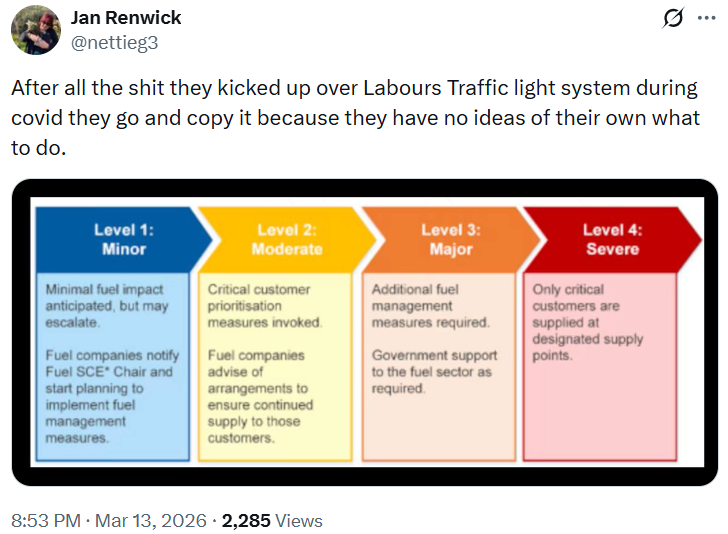

Source: Jan Renwich / X
However, what made me most nervous was the projection that a meaningful disruption could see inflation hit 3.7%. Meanwhile, further echoing the disastrous Covid money-printing experience, the government is also floating the possibility of ‘cost of living assistance for households if things worsen.’
Same old monetary risks and keyboard interventions. Risking financial detriment for the ordinary person yet opening opportunities for a few brave investors.
What is really needed is a strategy that restores supply flexibility and resilience.
Why do we source primarily from Singapore or South Korea? US Gulf Coast diesel is often cheaper at the refinery gate and comes from a highly reliable export system. Asia simply wins on freight distance.
Yet Asian refineries rely heavily on Middle Eastern crude — a region prone to geopolitical shocks — while USGC supply chains are more insulated.
In times of a crunch, why not reach out for alternative supply? A hungry businessperson looks at every available option. For too many politicians, only what their academic-focused advisers suggest.
The wider question is whether the country needs to look again at some sort of refining capacity.
While restarting Marsden is effectively off the table — a full‑scale refinery would require around $5 billion — it may still be feasible to deploy modular, rapid‑build refining units at a far lower cost.
The benefits of diversified investment
This month, some of the top performers in our wholesale strategy have been energy companies:
- Woodside Energy [ASX:WDS] — stock price up over 25% this past month, projected dividend yield of over 4.8%.
- Eni [BIT:ENI] (Italian oil giant) — stock price up over 26% this past month, projected yield of over 4.3%.
You never know what disruption is around the corner.
Dislocation creates opportunity.
It is also best survived with the resilience put in place from those who have gone before.
Perhaps you’re wondering what next?
As Charlie said: invert. Think about what you want to avoid.
You want to avoid declining living standards from oil disruption and inflation.
Investors who want to build resilience often look to global income producing assets.
Our Quantum Income Strategy
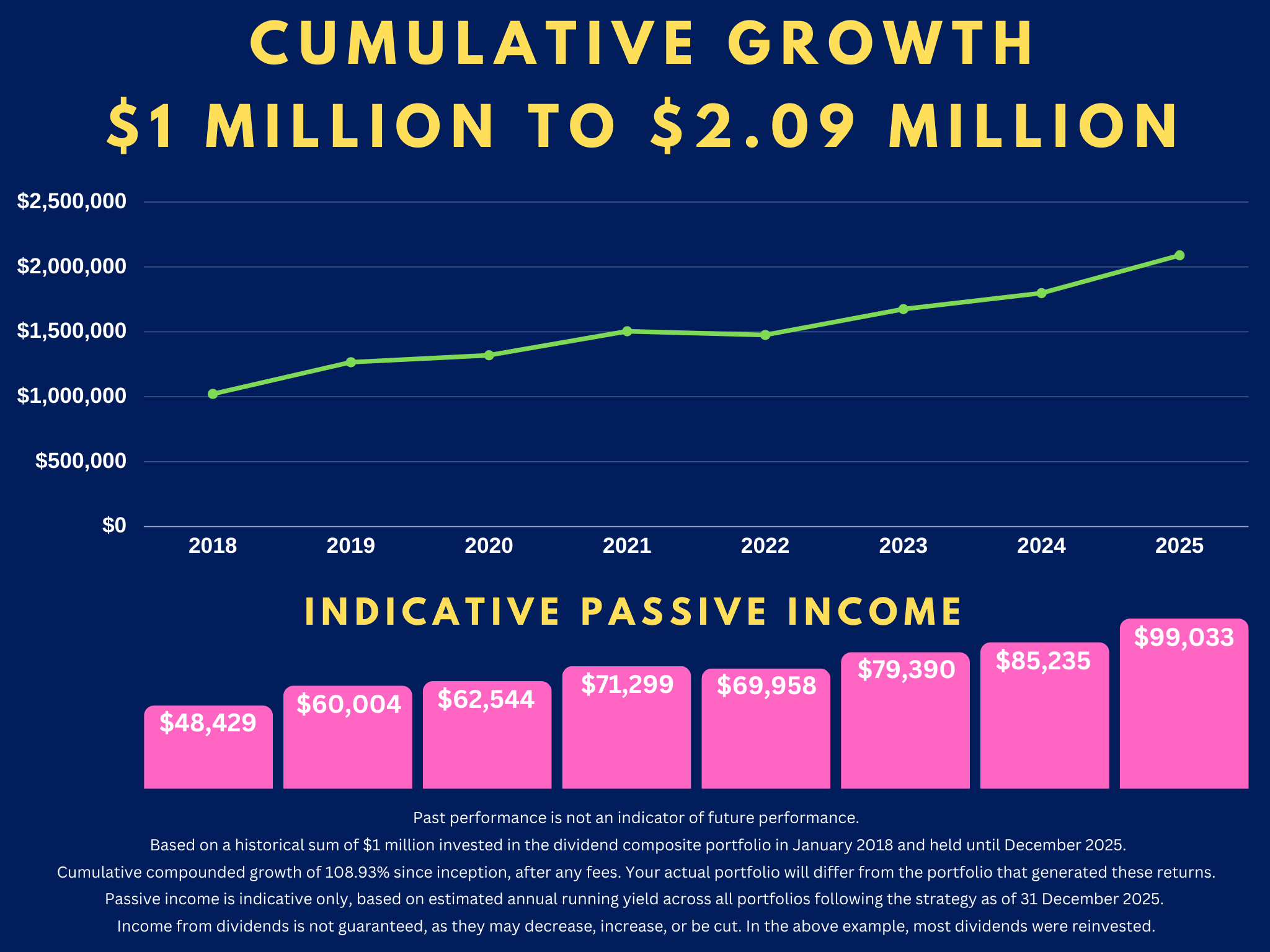

Tough times never last, but tough people do. Even in the midst of war, there is opportunity.
- Do you qualify as a Wholesale and Eligible Investor?
- If you do, we have a Quantum Income Strategy that’s designed to protect your wealth. Grow your wealth. Deliver you passive income.
- We go beyond New Zealand — targeting the best and brightest opportunities around the world. Our main hunting grounds for value are Australia, Europe, and America.
- Are you interested?


Regards,
Simon Angelo
Editor, Wealth Morning
(This article is the author’s personal opinion and commentary only. It is general in nature and should not be construed as any financial or investment advice. Please contact a licensed Financial Advice Provider to discuss your personal situation. Wealth Morning offers Managed Account Services for Wholesale or Eligible investors as defined in the Financial Markets Conduct Act 2013.)