When I moved from Auckland to Wellington a few weeks ago for my job at the Treasury, I didn’t expect the capital to so quickly feel like an economic lesson in motion.
There was an immediate shift in energy I felt in Wellington compared to Auckland.
Wellington felt alive and bustling, and the people seem genuinely happy, whereas Auckland has felt demoralising recently.


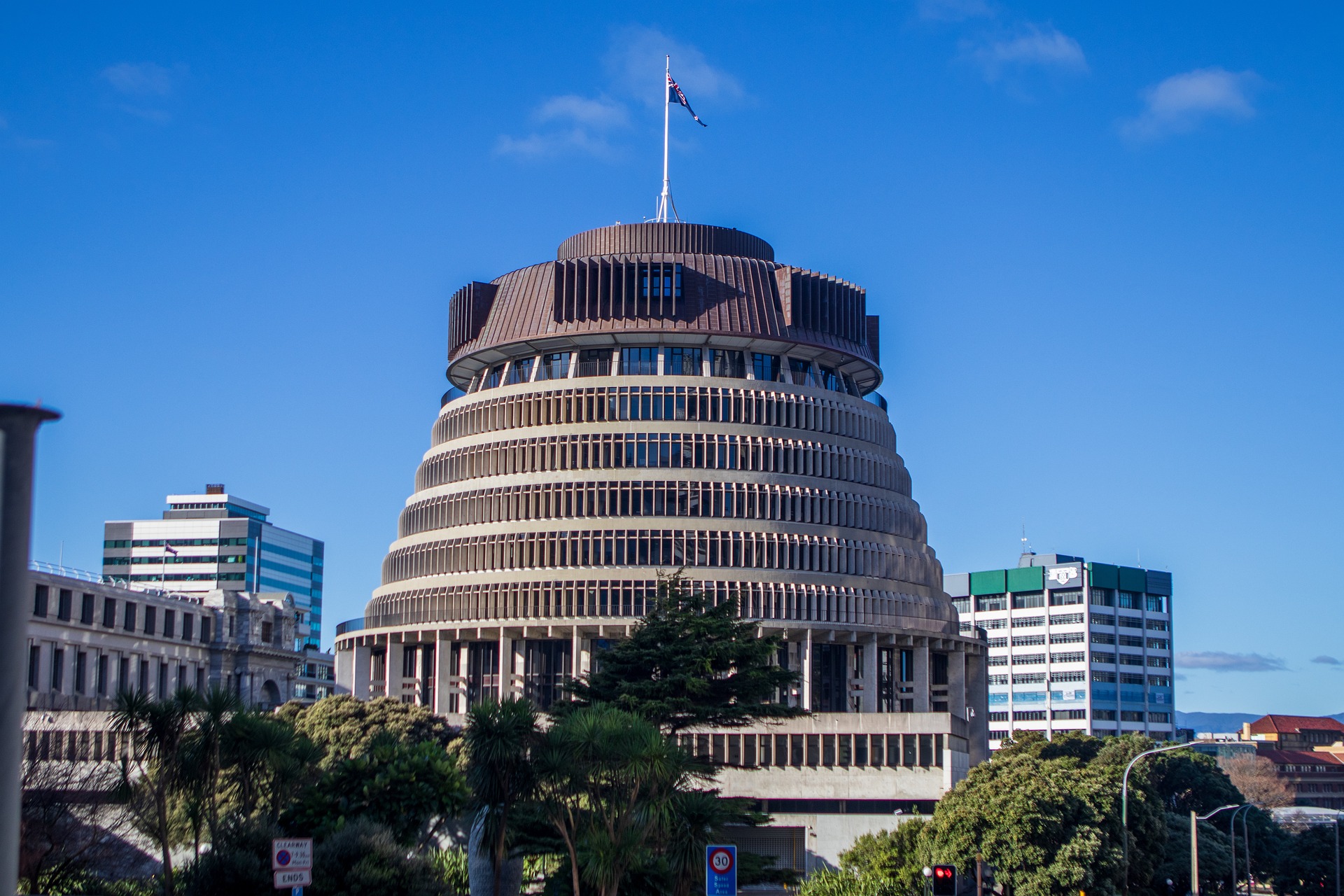
The Beehive and Parliament House. Source: Author
Wellington is compact in a way Auckland simply isn’t, and that changes how people move and interact with businesses and one another.
One study found that 35% of Wellington residents live within a 10-minute walk of all essential amenities, compared to just 15% in Auckland.
That proximity shows up in how people get around too. Recent travel data show that in the Wellington city centre, non-car modes of transport — such as walking, cycling, and buses — make up nearly 65% of journeys to work. Far higher than most other NZ cities.
Those numbers mean more feet passing the same shopfronts more often.
In Wellington, the same streets see the same people multiple times a day. On my way to and from work, I can go by practically every store I need. In the 1.9 km between my office and my apartment, I have the opportunity to go to three different supermarkets and at least a dozen menswear stores. It’s great.
In Auckland, by contrast, movement is more episodic: people drive or catch transport directly to where they want to go. The customers themselves aren’t fundamentally different, but the frequency of contact is. That difference in movement drives how quickly businesses are tested by the market.
This matters because if consumers are walking past cafés or browsing retail stores frequently, they are becoming more informed. This means their purchasing decisions are better able to signal whether a business creates value or not.
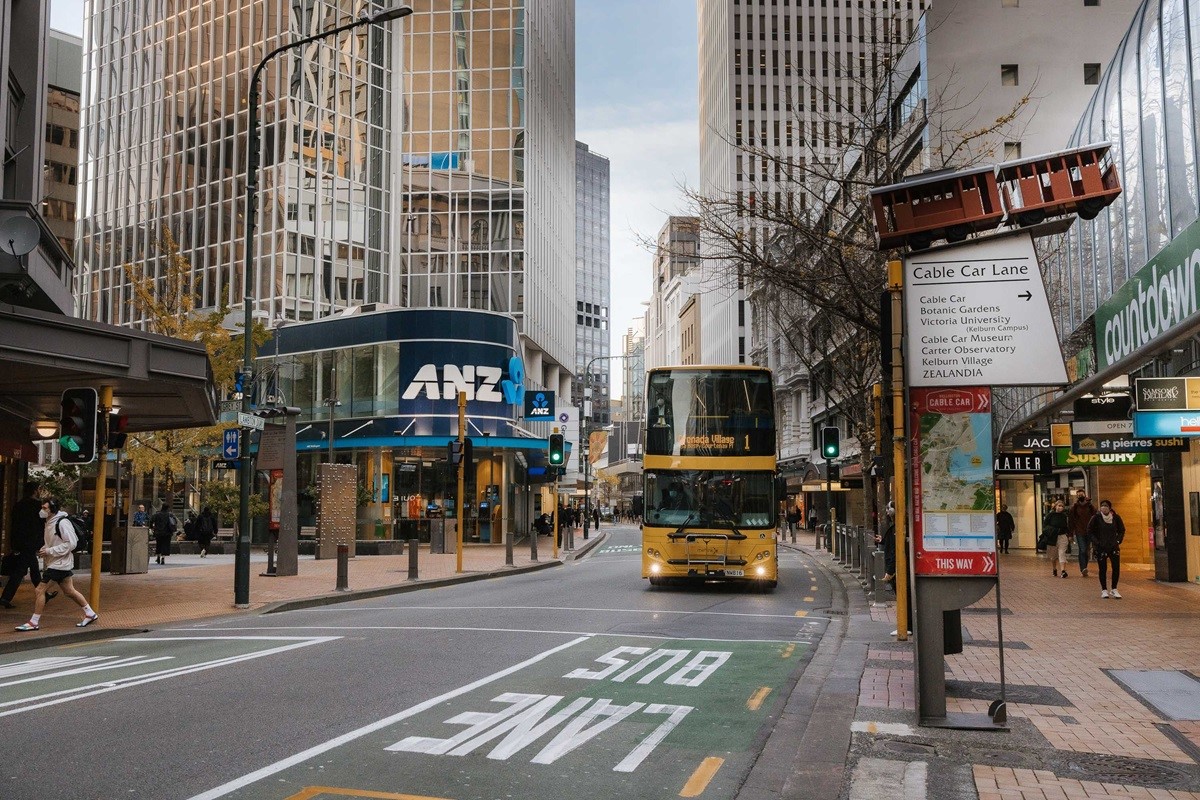

Lambton Quay, Wellington. Source: Wellington City Council
When people encounter the same choices repeatedly, good businesses get recognised faster, and weak ones are exposed quicker. Dense urban environments amplify that feedback loop.
In competitive environments with many customer-product interactions, survival doesn’t come from a single good idea. It comes from delivering value consistently, time after time. Businesses don’t endure simply because they enticed a consumer to try them once, or because their product used to be needed. They endure because customers keep choosing them for the value they give.
No amount of history, nostalgia, or branding can protect a business that no longer delivers what customers want.
Retail is one of the clearest places to see change in action. Fashion, especially, is unforgiving: preferences shift quickly, competition is everywhere, and consumers are increasingly selective. Millennials and younger shoppers like myself are price-aware, brand-literate, and ready to switch when value slips.
Companies that thrive in these environments are usually doing something right operationally — allocating capital well, executing consistently, and actually creating value. That’s the context in which the numbers start to matter…
Your first Quantum Wealth Report is waiting for you: