
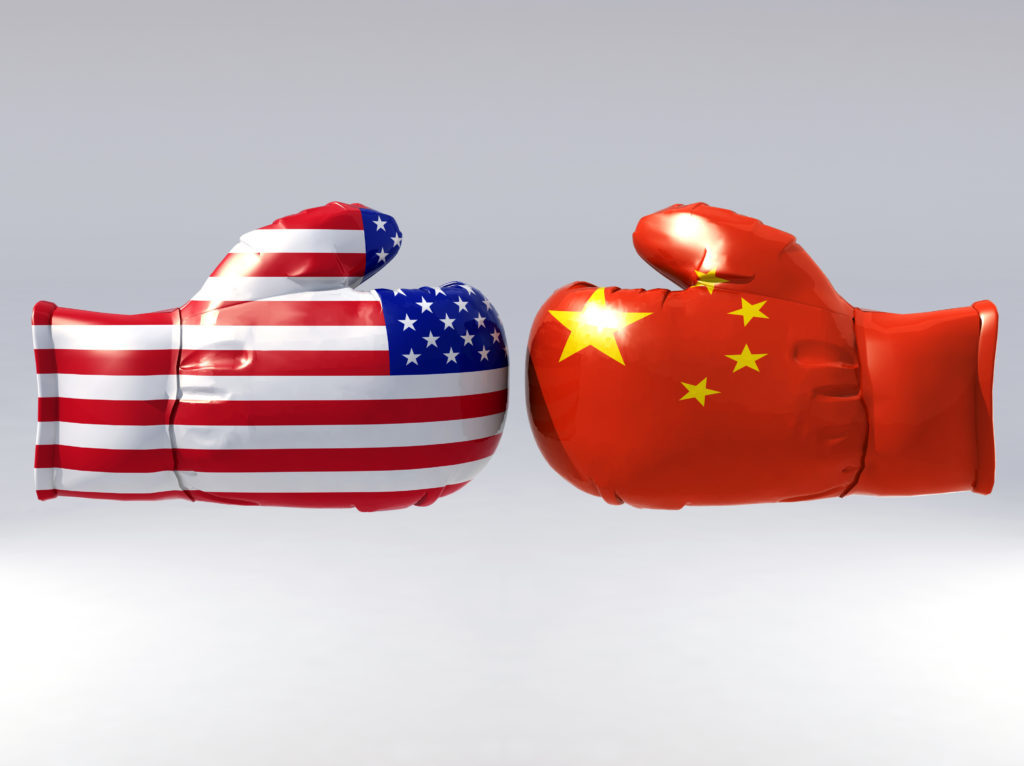
I have a good friend from Taiwan.
Last time I saw her, I asked about the situation across the Taiwan Strait. She simply shrugged: “It’s been like this for a long time. I don’t see it changing.”
She lives in Europe now, but her family remains on the island.
From China’s official statements, the emphasis continues to be on peaceful approaches to cross‑strait relations.
My own view of the status quo is also shaped by my years living in Jersey. Jersey is a British Crown Dependency — part of the British Isles, but not part of the United Kingdom. It has its own financial, legal, and judicial systems, and it exercises self‑governance.
This arrangement has been central to Jersey’s economic success. Its autonomy has allowed it to develop a competitive financial sector while still maintaining close ties with the UK. It also provides considerable liquidity to London.
Had Jersey been fully absorbed into the UK, it might have developed very differently — perhaps more like the Isle of Wight.
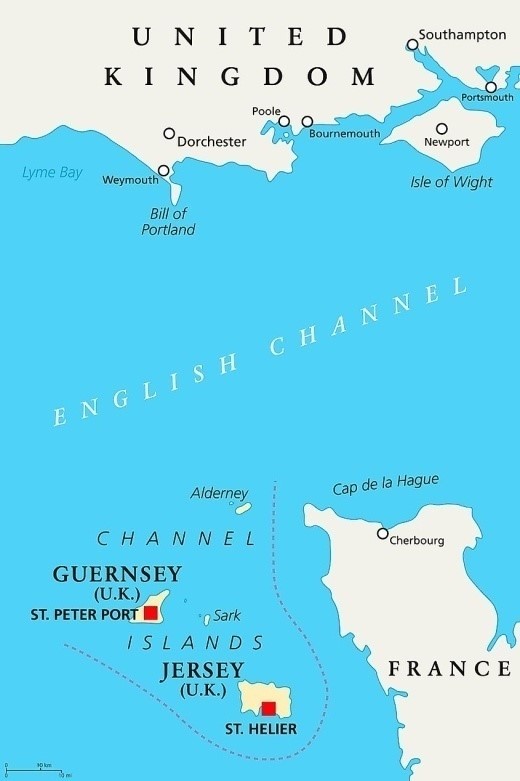

Map showing Jersey and Guernsey (both erroneously labelled UK), along with Isle of Wight, UK, to the north. Source: World Atlas
Note; the Isle of Wight has a GDP per capita estimated at £21,946 and unemployment at 7.5%.
Jersey, £45,320 and unemployment at 4.7% on last estimates.
Taiwan, similarly, has developed a strong competitive advantage in global semiconductor manufacturing. Its role in the global supply chain is significant, and this is recognised internationally.
Of course, commentary in global media varies. Some analysts emphasise stability; others focus on potential risks.
For investors, the key question is not political — it is practical:
Could geopolitical tension create economic or supply‑chain disruption?
Some research groups model hypothetical scenarios. For example, the Rhodium Group has suggested that a severe disruption around Taiwan could affect more than US$2 trillion in global economic activity. This is not a prediction — it is a stress‑test scenario, similar to those used for any major region.
For large economies like the United States, the impact would be significant but manageable. For export‑reliant countries like New Zealand, any disruption affecting major trading partners — including China, Japan, or others — would require careful planning.
This is why prudent investors prepare for a range of possibilities. Not because conflict is expected, but because resilience is part of good portfolio management.
So let’s explore how smart investors can build protection into their portfolios.




Get started and receive your first Quantum Wealth Report today:


